
 United States
Can You Switch Contact Lens Brands with the Same Prescription?

Paul Slusher
CEO
Published Jun 24th, 2026
A surprising number of contact lens wearers aren’t sure whether different brands are essentially the same product. That uncertainty tends to push people toward one of two mistaken assumptions. Some think they can freely swap brands using their existing prescription. Others believe they’re locked into one brand for life.
Neither is quite right.
Your prescription numbers are precise measurements, but contact lenses aren’t interchangeable the way generic medications are. Each brand has its own materials, water content, edge design, and fit characteristics that affect how the lens actually performs on your eye. Two lenses with identical power numbers can feel completely different once they’re in.
So yes, you can switch contact lens brands, but not simply by ordering a different product online with your current prescription. Contact lenses are regulated medical devices, and switching brands generally requires a new fitting with your eye care professional.
This guide explains why prescriptions are brand-specific, walks through when switching is straightforward versus when it needs extra steps, outlines the process for requesting a brand change, and covers special cases like astigmatism, multifocals, and keratoconus.
Why Your Prescription Is Tied to a Specific Brand
A Contact Lens Is a Medical Device, Not a Generic Product
Contact lenses are regulated medical devices, not consumer goods you can swap at will based on preference alone. Each lens brand and model is engineered around a specific set of parameters that determine how it behaves on your eye:
- Material composition: silicone hydrogel versus traditional hydrogel
- Water content: this varies considerably from one lens to another
- Oxygen permeability (Dk/t): how much oxygen reaches your cornea through the lens
- Diameter: the overall size of the lens
- Base curve: the curvature that matches your corneal shape
- Edge profile: how the lens interacts with your eyelid during blinking
Two lenses with identical power numbers can fit and perform very differently on the same eye because of these underlying design differences.
Think of it this way: eyeglasses with the same prescription power but different frame sizes wouldn’t fit your face the same way. Contact lenses work similarly, except the fit happens directly against your cornea, where precision matters even more.
Material type alone can make a noticeable difference. Silicone hydrogel has become the dominant lens material in recent years largely because it allows substantially more oxygen to reach the eye compared to older hydrogel materials. Moving between these two material classes isn’t a simple like-for-like swap.
What’s Actually Written on Your Prescription
Your contact lens prescription contains several key parameters:
- Power (sphere): the strength of vision correction needed
- Cylinder and axis: for astigmatism correction
- Base curve: the curvature of the lens
- Diameter: the overall lens size
- Brand and product name: the specific lens you were fitted for
That last item matters more than people realize. The brand name is part of your prescription, not a suggestion your eye doctor happened to jot down. They fitted that specific lens to your eyes and confirmed it worked for your corneal shape, tear film, and wearing schedule.
The base curve number can be especially deceptive. A base curve of 8.6 in one brand may not fit the same as 8.6 in another, because lens geometry and material stiffness differ between manufacturers. The numbers don’t automatically translate across brands.
Contact lens prescriptions are typically valid for one to two years depending on your jurisdiction. Under the FTC Contact Lens Rule, your eye care provider must give you a copy of your prescription automatically after a fitting, at no extra charge and without you having to ask. That gives you the freedom to shop around, but it doesn’t make your prescription brand-agnostic.
Your Right to Your Prescription: Your eye care provider is required to release your prescription to you automatically after any fitting, free of charge. Regulators do take enforcement action against prescribers who fail to comply. Your provider should already be following this rule without you needing to ask twice.
When You Can Switch Without a New Fitting (and When You Can’t)
The Rare Cases Where Direct Switching Works
In a handful of limited situations, switching doesn’t require a new fitting appointment:
Private label equivalents. Some lenses are manufactured identically but sold under different names. A store-brand lens may be the exact same product as a name-brand lens from the same manufacturer, just repackaged. When this is genuinely the case, switching is seamless because you’re wearing the same lens either way. These situations are uncommon, though, so confirm with your eye care professional rather than assuming based on similar specs.
Same product line, different pack size. Moving from a 24-pack to a 12-pack of the same lens isn’t a brand change. It’s the identical lens in different packaging, and your prescription stays valid.
Staying within the same manufacturer’s lineup. Moving between two products from the same manufacturer may still technically require a new fitting, but the process is often quicker since your eye care professional already has your baseline data and familiarity with that brand’s design approach.
The Situations Where a New Fitting Is Unavoidable
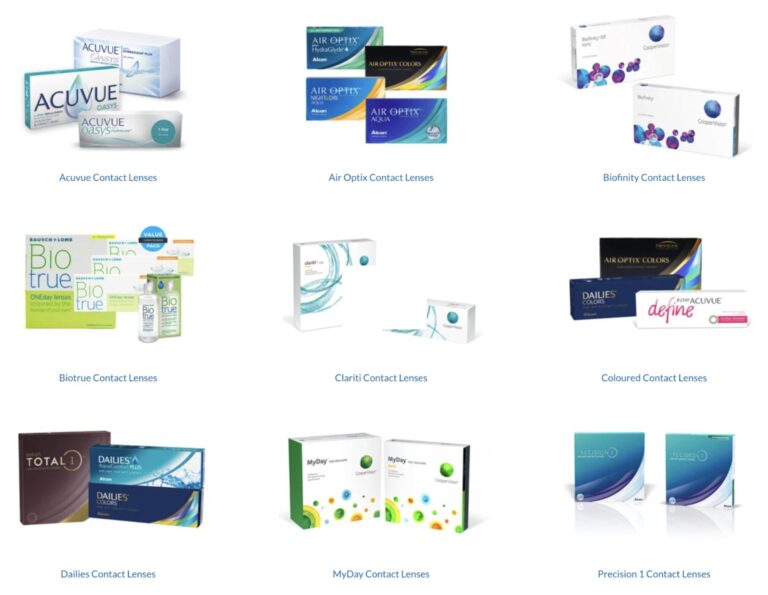
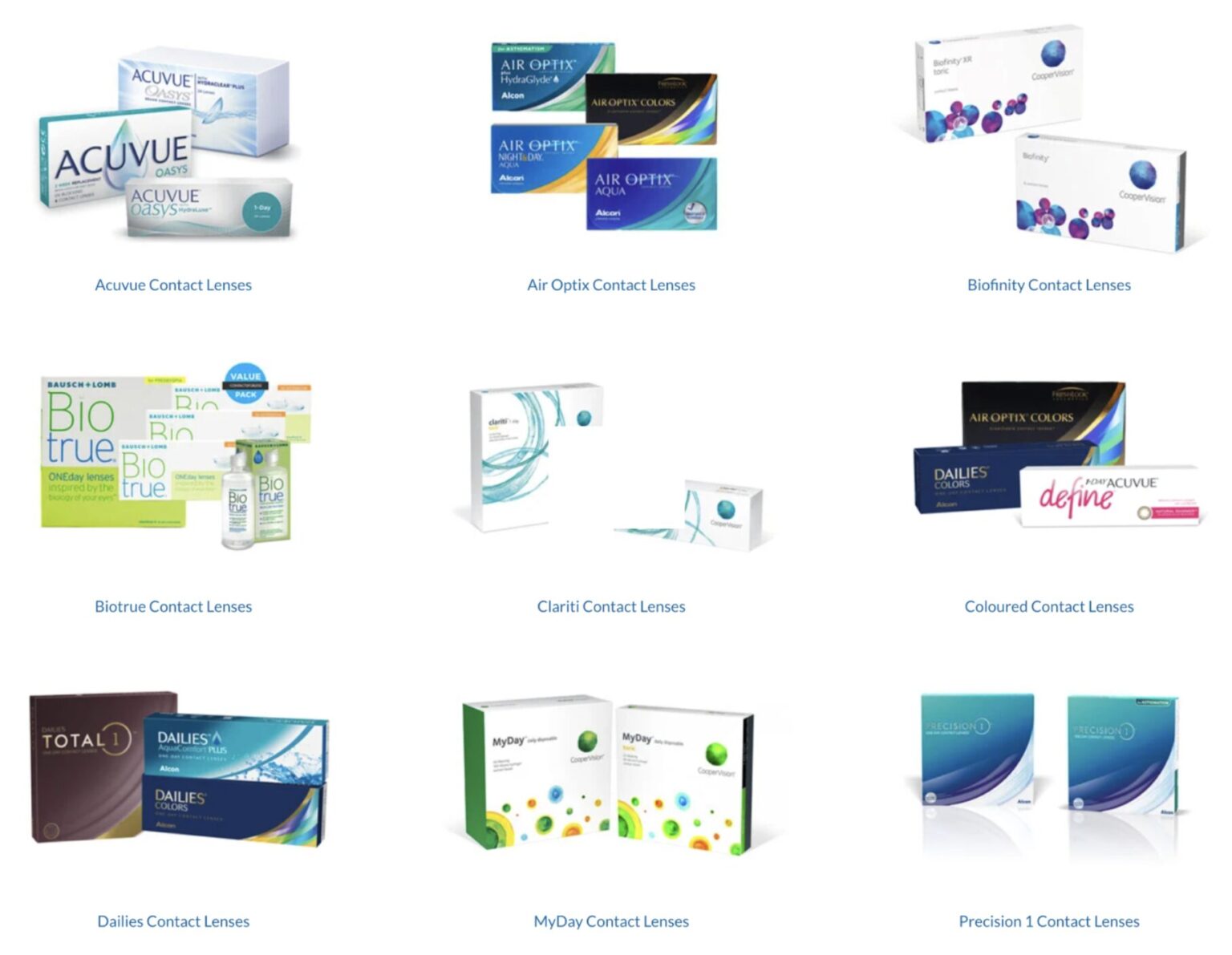
Switching to a different brand entirely. Moving from Acuvue to Dailies Total1, or from Biofinity to Air Optix, calls for a new fitting appointment. These lenses are built differently and will interact with your eye differently.
Switching lens type. Moving from monthly to daily disposables, or from spherical to toric lenses for astigmatism, changes more than just the label on the box.
Switching material class. Moving from hydrogel to silicone hydrogel, or the reverse, changes how the lens interacts with your tear film.
Switching because of comfort or dryness. If discomfort is what’s driving the switch, your eye care professional needs to understand why before recommending a new lens. Trying a different brand without addressing the underlying cause often just leads to the same problem with a new box.
Discomfort is one of the most common reasons people stop wearing contacts altogether, which is exactly why a proper fitting matters here. It’s not a bureaucratic hurdle. It’s the step that actually prevents you from ending up back where you started.
How to Request a Brand Change: The Practical Steps
Step 1: Get clear on what you want and why. Before your appointment, think through what’s prompting the switch, whether that’s dryness, cost, availability, or wanting to move from monthly to daily wear. Arriving with a clear reason makes the conversation more productive.
Step 2: Reach out to your eye care provider. Call or book online and let them know you’re interested in exploring a brand switch. Many practices offer dedicated contact lens evaluation appointments for this. Ask about fees upfront, since some practices fold this into your annual exam and others charge separately.
Step 3: Go through the fitting. Your provider will check how your current lenses are performing, evaluate your cornea and tear film, and have you trial the new lens. You may wear trial lenses for several days before your final prescription is written, since comfort can shift after extended wear in a way a quick try-on won’t reveal.
Step 4: Get your updated prescription. Once the fit is confirmed, you’ll receive your new prescription with the new brand listed. This happens automatically, you shouldn’t have to request it.
Step 5: Order from wherever works best for you. With your updated prescription, you’re free to purchase from any authorized retailer, including online options like Contacts For Less.
Quick Checklist Before You Switch
- Research alternative brands before your appointment
- Schedule a contact lens evaluation or fitting
- Bring your current prescription and lens packaging
- Be ready to describe comfort issues or your goals for switching
- Plan for a trial period of several days to a week
- Confirm your new prescription before placing an order
Special Cases: Astigmatism, Presbyopia, and Irregular Corneas
Switching Toric Lenses (Astigmatism)
Toric lenses correct astigmatism using cylinder and axis measurements, and these numbers are closely tied to how the lens sits and rotates on your specific eye.
Switching toric brands tends to be more involved because manufacturers use different stabilization approaches. Some rely on prism ballast, others on thin zones, and each method affects how the lens orients itself throughout the day. A lens with matching power, cylinder, and axis from a different brand can still rotate differently and blur your vision, even though the numbers on paper look identical.
If you wear toric lenses and want to switch, expect a more thorough fitting process, since your provider will need to confirm the new lens stabilizes properly for clear, consistent vision. Our guide to astigmatism contacts covers what to look for.
Switching Multifocal Lenses (Presbyopia)
Multifocal lenses correct both distance and near vision, designed for the age-related near vision loss that typically shows up in your 40s.
Each brand approaches this differently, using concentric rings, aspheric zones, or other transition patterns. A design that works beautifully for one person’s visual needs may not suit another’s, even with the same prescription numbers.
Switching multifocal brands often takes a few rounds of trial fitting to land on the right balance between distance and reading clarity. That’s not a sign anything’s gone wrong; it simply reflects how complex it is to correct vision at multiple distances at once.
Daily disposable multifocal toric lenses have also become available in recent years, giving people with both astigmatism and presbyopia more choices. More options are a good thing, but they also make professional guidance more valuable, not less. Our multifocal contact lens guide explains how these lenses work.
Specialty Lenses for Keratoconus and Irregular Corneas
Keratoconus causes the cornea to thin and bulge into a cone shape rather than staying round, creating distortion that standard spherical or even toric soft lenses can’t correct.
The most effective options for keratoconus are generally:
- Scleral lenses: vault over the entire cornea and rest on the sclera, the white of the eye
- Rigid gas permeable (RGP) lenses: create a smooth optical surface over the irregular cornea
- Hybrid lenses: combine a rigid center with a softer outer skirt for comfort
Demand for these specialty designs has grown alongside rising awareness of keratoconus and dry eye conditions, and they can offer excellent correction for corneas that standard lenses simply can’t fit.
Switching between specialty lens types calls for fitting by a corneal specialist or an optometrist experienced with irregular corneas. These appointments tend to be more involved and may take multiple visits, but the improvement in vision is often dramatic.
Contact Lenses and Dry Eye Conditions
Some underlying conditions, lupus among them, can cause dry eye that makes contact lens wear more challenging. That doesn’t mean contacts are off the table, just that lens choice matters more.
Anyone managing dry eye should work closely with their eye care provider to choose lenses with strong moisture retention. Water gradient lenses like Dailies Total1 or Total30, along with silicone hydrogel dailies built for dry eyes, are worth discussing. Preservative-free rewetting drops through the day can help as well.
If dryness is the reason you’re switching brands, make sure the fitting appointment includes a proper dry eye assessment, so you can tell whether the issue is the lens itself, your wearing habits, or something underlying that needs separate treatment.
What Switching Actually Costs
Plenty of people want to switch brands specifically to save money or take advantage of manufacturer rebates. Here’s what affects the real cost.
Insurance coverage can shift. Some vision plans have preferred brand networks, and moving to a non-preferred brand may bump up your copay. It’s worth checking with your plan before committing.
Look at total economics, not just the box price. If you’re weighing a move from monthly to daily lenses, remember that dailies cost more per lens but eliminate solution expenses and tend to carry lower infection risk. Many eye care professionals lean toward recommending dailies for exactly these reasons.
Fitting fees aren’t standard. Some practices roll contact lens fittings into the annual exam fee, others charge separately, typically somewhere in the $50 to $150 range. Ask before you book.
| Factor | What to Check | Notes |
|---|---|---|
| Fitting fee | Ask if it’s included in your exam | Some practices charge separately |
| Insurance coverage | Verify preferred brands | Non-preferred brands may carry a higher copay |
| Pack size economics | Compare price per lens, not per box | Larger packs often cost less per lens |
| Rebates | Check current manufacturer offers | Can offset a higher list price |
| Solution costs | Factor in if moving to or from dailies | Dailies eliminate this expense entirely |
Our guide on how much contacts cost in Canada breaks down detailed pricing across lens types and brands.
Mistakes Worth Avoiding When You Switch
Assuming matching numbers mean a matching fit. A prescription with the same power, base curve, and diameter in a different brand can still fit poorly. The way those numbers interact with a given lens material and design isn’t something you can predict from the numbers alone.
Skipping the fitting to save money. A modest fitting fee is far cheaper than the discomfort, wasted boxes, or eye health issues that can come from an ill-fitted lens. The fitting protects your money and your eyes.
Buying from unauthorized sellers. Counterfeit or expired lenses are a genuine risk with non-authorized retailers. Our guide on whether it’s safe to buy contacts online covers what to watch for. Stick with authorized distributors like Contacts For Less.
Not giving the new lens a real chance. Some lenses take a few days to settle in, and your eyes need time to adjust to a new material, edge, or moisture profile. Don’t write off a brand after an hour of wear.
Pushing through ongoing discomfort. If the new lenses still feel worse than your old ones once the adjustment period has passed, go back to your eye care provider instead of toughing it out. Persistent discomfort usually points to a fit issue that won’t resolve on its own.
A note on traveling with contacts: Contact lens solution generally needs to follow standard carry-on liquid restrictions, though larger medically necessary quantities can sometimes be declared at security. The lenses themselves aren’t liquid and aren’t subject to these restrictions.
Key Takeaways
- You can switch contact lens brands, but not just by reusing the same prescription numbers on a different product. A new brand generally means a new fitting.
- The brand name on your prescription isn’t incidental. Base curve, diameter, and power don’t translate directly between manufacturers because of differences in material and design.
- You have the right to receive your prescription automatically and shop wherever you choose.
- Toric, multifocal, and specialty lenses involve more fitting variables, which makes professional guidance even more valuable when switching.
- Factor in the full cost of switching, including fitting fees, insurance impact, pack size economics, and solution expenses.
Your Next Steps
- Research your options. Narrow down two or three brands you’re curious about and why they might suit you better than what you’re wearing now.
- Book a fitting. Contact your eye care provider, explain you’d like to explore switching, and ask about fees upfront.
- Come prepared. Bring your current prescription, your lens packaging, and a clear sense of what’s prompting the change.
- Give the trial period a fair shot. Don’t rush a verdict on a new lens before it’s had time to settle.
- Order from a trusted source. Once your updated prescription is in hand, buy from an authorized retailer carrying genuine manufacturer stock.
Once you have your new prescription, Contacts For Less carries all major brands from Acuvue, Alcon, Bausch & Lomb, and CooperVision, at competitive prices with free shipping across Canada.
Ready to order your new lenses? Browse our full selection of daily, biweekly, and monthly contact lenses. When you buy from us, we donate a portion of every sale to the charity you choose, because as a 100% Canadian family-owned company, we believe buying contacts should do more than save you money.
We will never sell your information to anyone.