
 United States
Silicone Hydrogel vs Hydrogel Contacts: Which Lens Material Is Right for You?

Paul Slusher
CEO
Published May 27th, 2026
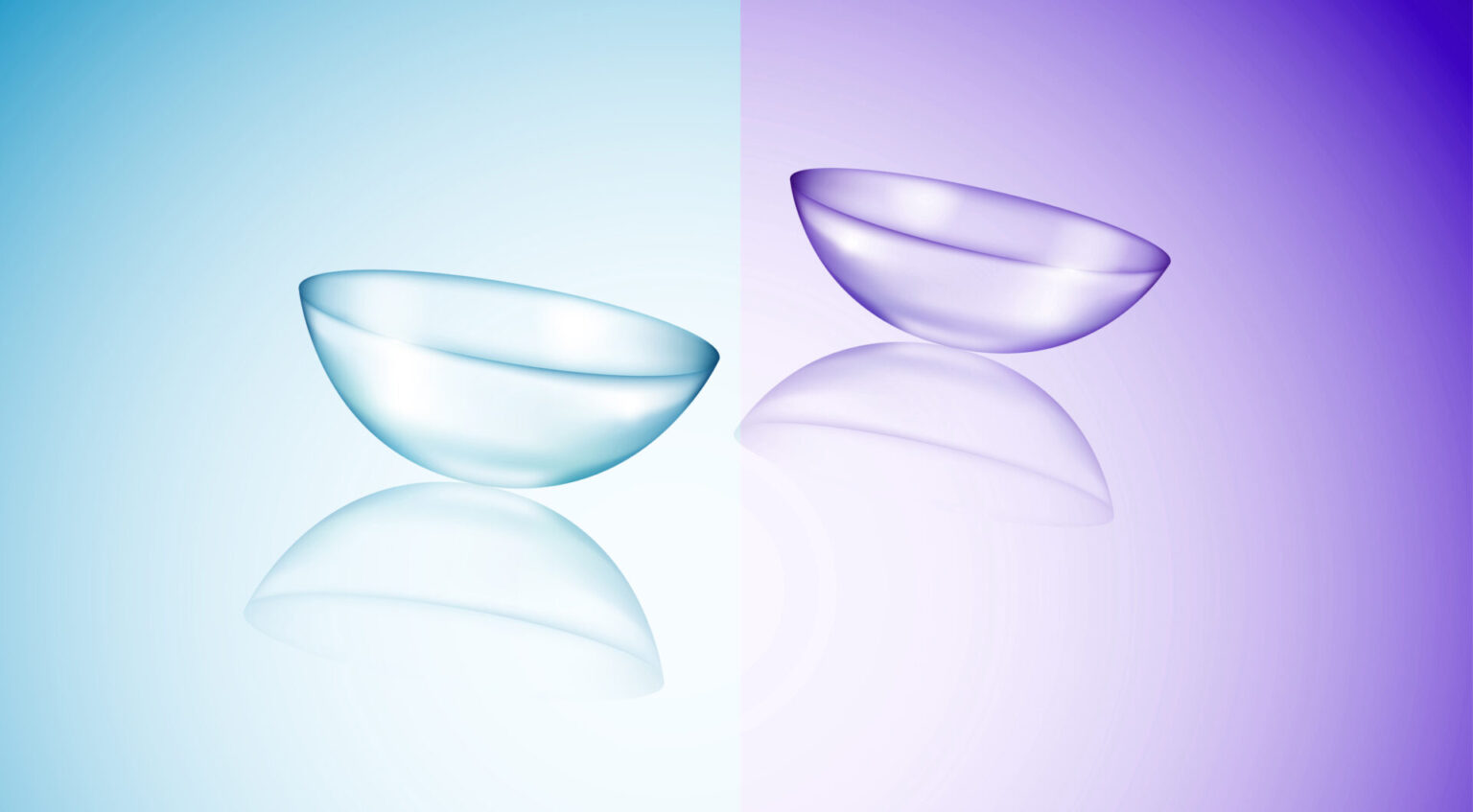
Twenty-five years ago, silicone hydrogel lenses arrived, fundamentally changing how contact lenses deliver oxygen to the eye. Since their debut in 1999, these next-generation materials have reshaped the industry so dramatically that silicone hydrogel now accounts for a significant majority of all new lenses fitted internationally. That market dominance raises a fair question: if silicone hydrogel is so widely prescribed, why do traditional hydrogel lenses still exist, and which material should you actually wear?
The answer is more nuanced than marketing materials suggest. When comparing silicone hydrogel vs hydrogel contacts, the “best” choice depends entirely on your eyes, your lifestyle, and how you wear your lenses. This guide explains what each material is, compares their real-world performance, addresses common concerns (including specialty situations like keratoconus and lupus), and helps you make an informed decision. The goal here is to find the right fit for your eyes, not to declare a universal winner.
What Are Hydrogel Contact Lenses?
Hydrogel contact lenses are soft, water-absorbing plastic lenses that became the foundation of modern soft contact lens technology starting in the 1970s. The primary material in most traditional hydrogel lenses is HEMA (hydroxyethyl methacrylate), a polymer that absorbs and retains water, creating a flexible, comfortable lens.
Here is how they work: hydrogel lenses rely on their water content to transmit oxygen to the cornea. The water molecules in the lens act as a pathway for oxygen to reach the eye’s surface. Generally, higher water content means more oxygen transmission, but it also means faster evaporation throughout the day.
Traditional hydrogel lenses typically have water content ranging from 38% to 70%. They tend to feel soft and comfortable from the start, which is why many wearers still prefer them. They are available across all replacement schedules (daily, biweekly, and monthly) and are often more affordable than their silicone hydrogel counterparts.
The key limitation of hydrogel lenses is their lower oxygen permeability than that of silicone hydrogel materials. Because they depend on water content for oxygen transmission, there is a ceiling on how much oxygen can reach the cornea, which can be a concern for extended wear or for wearers with sensitive eyes.
Popular hydrogel lenses still on the market include Proclear (CooperVision), Soflens (Bausch & Lomb), and 1-Day Acuvue Moist (Johnson & Johnson). These products continue to serve wearers who find them comfortable and who wear lenses for shorter periods each day.
What Are Silicone Hydrogel Contact Lenses?
Silicone hydrogel contact lenses represent the next generation of soft lens technology. These materials add silicone polymers to the traditional hydrogel base, creating a fundamentally different pathway for oxygen to reach the cornea.
The key innovation is this: silicone is highly oxygen-permeable on its own. Rather than relying solely on water content to transport oxygen, silicone hydrogel lenses allow oxygen to pass directly through the lens material itself. This means these lenses can have lower water content while still delivering significantly more oxygen to the eye.
The market shift toward silicone hydrogel has been dramatic. Silicone hydrogel daily wear lens fits increased from just 2.8% in 2000 to 73.7% of all daily wear soft lens fits by 2023. The growth continues to grow at astounding rates in 2026. That growth reflects the clinical benefits of higher oxygen transmission, particularly for wearers who keep their lenses in for long days.
Key characteristics of silicone hydrogel lenses include higher oxygen transmission (measured as Dk/t values), generally better performance for longer wear days, and reduced risk of hypoxia-related complications. Many silicone hydrogel lenses are also approved for extended or overnight wear, a feature traditional hydrogel lenses rarely offer.
However, silicone hydrogel materials come with trade-offs. Silicone can attract more protein and lipid deposits than traditional hydrogel, and some wearers find certain silicone hydrogel lenses feel slightly stiffer on the eye. Newer formulations have improved significantly on both fronts, but individual response varies.
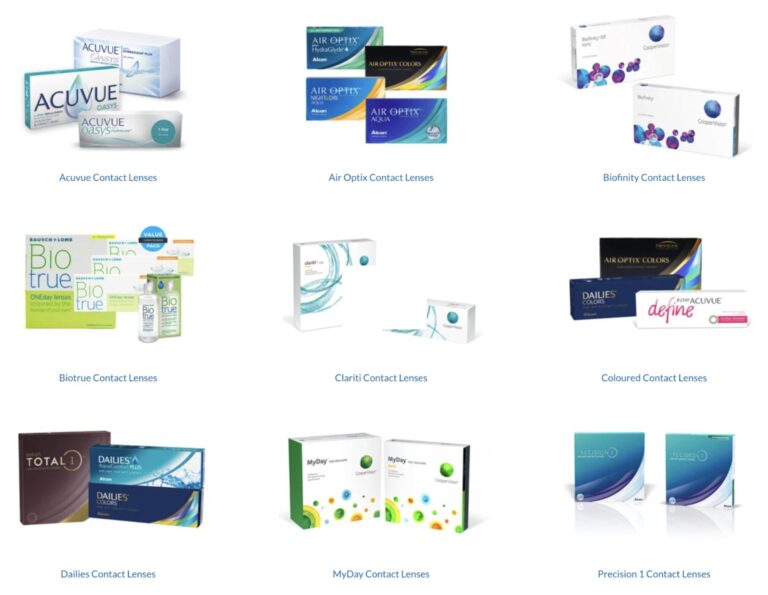
Popular silicone hydrogel brands include Acuvue Oasys (Johnson & Johnson), Biofinity (CooperVision), Air Optix Plus HydraGlyde (Alcon), and Dailies Total 1 (Alcon).
Silicone Hydrogel vs Hydrogel: Key Differences Compared
Understanding the practical differences between these materials helps you make a more informed choice. Here is how silicone hydrogel and hydrogel lenses compare across the factors that affect daily wear:
Oxygen permeability (Dk/t): This is the most significant difference. Silicone hydrogel lenses typically deliver 5 to 7 times more oxygen to the cornea than traditional hydrogel. Higher Dk/t values reduce the risk of corneal swelling and hypoxia-related issues, especially on long-wear days.
Water content: Traditional hydrogel lenses often have higher water content (50% to 70%), while silicone hydrogel lenses typically range from 24% to 48%. The key point is that silicone hydrogel does not rely on water for oxygen transmission, so lower water content is not a disadvantage.
Comfort and initial feel: Many wearers find hydrogel lenses feel softer on initial insertion. Some silicone hydrogel products, particularly older formulations, can feel slightly firmer. Newer silicone hydrogel lenses with water gradient technology (like Dailies Total 1) have largely closed this comfort gap.
Deposit resistance: Hydrogel materials tend to resist protein deposits better, whereas silicone hydrogels are more prone to lipid (oil) deposits. Daily disposable lenses minimise this issue regardless of material type.
Wear time suitability: Silicone hydrogel is generally better for long days (12+ hours) and is the only material commonly approved for extended overnight wear.
Price point: Hydrogel lenses are often less expensive per box, though the price gap has narrowed as silicone hydrogel production has scaled.
| Feature | Hydrogel | Silicone Hydrogel |
| Oxygen permeability (Dk/t) | Lower (typically 20–40) | Higher (typically 100–175) |
| Water content | Higher (38–70%) | Lower (24–48%) |
| Initial comfort | Often softer | May feel firmer (varies by brand) |
| Deposit tendency | Protein deposits | Lipid deposits |
| Extended wear approval | Rarely | Often (brand-dependent) |
| Best for | Short wear days, budget-conscious, sensitive to silicone | Long wear days, digital device users, and overnight wear |
| Typical price range | $ | $$ |
Is Hydrogel or Silicone Hydrogel Better?
Neither material is universally better, and the evidence supports that conclusion. A Cochrane systematic review examining silicone hydrogel versus hydrogel lenses for comfort outcomes found “very low certainty evidence” and “insufficient evidence to support recommending one soft contact lens material over the other.”
That finding matters because comfort is the primary reason people stop wearing contact lenses. Up to 30% of established contact lens wearers permanently discontinue lens wear because of ocular discomfort. Material choice is part of the equation, but individual fit, lens design, and replacement schedule matter just as much.
Silicone hydrogel is often the right choice for:
- Wearers who spend long days on screens
- People prone to dryness in the afternoon or evening
- Anyone needing extended or overnight wear
- Wearers in dry or air-conditioned environments
Hydrogel may be the right choice for:
- Wearers sensitive to silicone materials
- Those who wear lenses for fewer than 10 hours daily
- Budget-focused shoppers
- People who have tried silicone hydrogel and found it uncomfortable
Bottom line: Neither material is universally superior. The right choice depends on your prescription, wear schedule, and how your eyes respond. If you are experiencing discomfort with your current lenses, trying the other material with guidance from your eye care professional may help.
What Are the Disadvantages of Silicone Hydrogel Lenses?
Silicone hydrogel lenses offer significant oxygen benefits, but they are not perfect for every wearer. Here are the main disadvantages to consider:
Lipid and protein deposits: Silicone attracts lipids (oils from tears and the environment) more readily than traditional hydrogel. Over the lifespan of a lens, this can cause hazy vision or discomfort. Daily disposable lenses minimise this issue because you start fresh each day.
Stiffness perception: Some wearers find silicone hydrogel lenses feel less “soft” than traditional hydrogel, particularly with older-generation products. Newer formulations, such as Dailies Total 1 and Acuvue Oasys Max, have improved significantly through water-gradient and surface-treatment technologies.
Potential sensitivity: A small percentage of wearers experience irritation related to silicone content. If standard silicone hydrogel lenses cause persistent redness or discomfort after an adjustment period, trying a different brand or switching to hydrogel may be worth exploring.
Cost: Silicone hydrogel lenses typically cost more than equivalent hydrogel lenses, though the price gap narrows when purchased from online retailers like Contacts For Less.
These disadvantages are not universal. Many wearers experience none of them, and they are often outweighed by the oxygen benefits for anyone wearing lenses for long hours each day.
Silicone Hydrogel vs HEMA: What’s the Difference?
You may see the term “HEMA” when researching contact lens materials. HEMA (hydroxyethyl methacrylate) is the primary polymer in traditional hydrogel lenses. When people say “hydrogel contacts,” they are usually referring to HEMA-based lenses.
Silicone hydrogel is not a competing material. It is an evolution. Silicone hydrogel lenses incorporate silicone polymers into the hydrogel foundation, altering how oxygen reaches the eye. HEMA-based lenses transmit oxygen through water content. Silicone hydrogel lenses transmit oxygen directly through the lens material itself, with water playing a secondary role.
The quick distinction: HEMA equals traditional hydrogel; silicone hydrogel equals the next-generation hybrid. Some specialty or legacy lenses still use HEMA-only formulations, and they remain a valid choice for certain wearers, particularly those who prefer a softer feel or are sensitive to silicone.
Silicone Hydrogel Uses: Who Benefits Most?
While silicone hydrogel works well for most contact lens wearers, certain groups see the greatest benefit from the higher oxygen transmission these materials provide.
Digital Device Users
People spending 8 or more hours daily on screens are prime candidates for silicone hydrogel lenses. Screen use reduces blink rate significantly, which leads to faster tear film evaporation and drier eyes by the afternoon. Higher oxygen permeability helps maintain corneal health even when eyes are under-lubricated from reduced blinking.
Lenses specifically designed for digital strain include Biofinity Energys (CooperVision) and Acuvue Oasys Max (Johnson & Johnson). These products combine silicone hydrogel materials with features designed to address screen-related eye fatigue. For more guidance on managing dry eyes with daily lenses, see our detailed recommendations.
Extended and Overnight Wear
Silicone hydrogel is the only soft lens material commonly approved for extended (overnight) wear. The higher Dk/t values reduce the risk of corneal hypoxia while you sleep, when your eyes have no access to atmospheric oxygen.
Products commonly prescribed for extended wear include Air Optix Night & Day Aqua, Biofinity, and Acuvue Oasys. Important caveat: extended wear increases the risk of infection compared to daily wear. Always follow your eye care professional’s guidance on whether overnight wear is appropriate for your eyes.
Active Lifestyles and Outdoor Workers
Outdoor workers, athletes, and those in dusty or dry environments benefit from the oxygen-performing properties of silicone hydrogels. The lower water content means slower evaporation in windy or arid conditions, maintaining comfort longer.
UV-blocking silicone hydrogel options like Acuvue Oasys add an extra layer of protection for outdoor wearers. For a broader look at how to choose lenses for your lifestyle, our guide covers options across all lens types.
Popular Silicone Hydrogel Contact Lens Brands Compared
Choosing between silicone hydrogel brands means comparing technical specifications that affect real-world performance. Here is how popular options stack up:
| Brand | Manufacturer | Dk/t Value | Water Content | Replacement | Best For |
| Acuvue Oasys 1-Day | Johnson & Johnson | 121 | 38% | Daily | Dry eyes, long days |
| Dailies Total 1 | Alcon | 156 | 33% (core) | Daily | Premium comfort, sensitive eyes |
| Biofinity | CooperVision | 160 | 48% | Monthly | Value + performance |
| Air Optix Plus HydraGlyde | Alcon | 138 | 33% | Monthly | Deposit resistance |
| MyDay | CooperVision | 100 | 54% | Daily | Eco-conscious, soft feel |
| Acuvue Oasys Max 1-Day | Johnson & Johnson | 133 | 38% | Daily | Digital device users |
Dk/t values represent oxygen transmissibility, with higher numbers meaning more oxygen reaches the cornea. All these brands are available at Contacts For Less from official manufacturer sources.
For detailed product comparisons, our Dailies Total 1 review and Acuvue Max review provide in-depth analysis of these premium options.
Special Considerations: Keratoconus and Lupus
Not every eye condition responds well to standard soft contact lenses. Two common questions deserve direct answers.
Which Contact Lenses Are Best for Keratoconus?
Soft lenses, including silicone hydrogel, are generally not the first choice for keratoconus. This condition causes an irregular, cone-shaped cornea that soft lenses cannot adequately correct in most cases because they conform to the eye’s shape rather than masking irregularities.
Recommended options for keratoconus include:
- Rigid gas permeable (RGP) lenses: Create a smooth optical surface over the irregular cornea
- Scleral lenses: Vault over the cornea entirely, resting on the white of the eye
- Hybrid lenses: Combine a rigid centre with a soft outer skirt for comfort
Scleral lenses are among the fastest-growing specialty lens categories, with an increasing proportion of eye care professionals identifying them as a key area for development. If you have keratoconus, work with a specialty contact lens fitter rather than choosing standard soft lenses.
Can People With Lupus Wear Contacts?
Yes, people with lupus can wear contact lenses, though the condition requires some extra considerations. The primary concern is dry eye syndrome, which is common among lupus patients due to inflammation that affects tear production.
The recommended approach is daily disposable lenses designed for dry eyes. Daily disposables minimise deposit buildup and reduce infection risk, both important factors for anyone with an autoimmune condition. Good options include Dailies Total 1, Acuvue Oasys 1-Day, and Biotrue ONEday.
Work closely with both your rheumatologist and eye care professional to monitor eye health. Regular check-ups become more important when managing lupus alongside contact lens wear.
Conclusion: Finding the Right Lens Material for Your Eyes
The silicone hydrogel vs. hydrogel debate has no single winner. Both materials serve real needs, and the right choice depends on your wear habits, comfort preferences, and how your eyes respond.
Key takeaways:
- Silicone hydrogel delivers 5 to 7 times more oxygen than traditional hydrogel, making it better suited for long wear days and overnight use
- Traditional hydrogel often feels softer initially and works well for shorter wear periods or wearers sensitive to silicone
- Clinical evidence shows no universal superiority for either material when it comes to comfort outcomes
- Daily disposable lenses minimise deposit concerns regardless of material type
- Specialty conditions like keratoconus require specialty lenses, not standard soft contacts
Next Steps
If you are experiencing discomfort with your current lenses, consider trying the other material type with guidance from your eye care professional. For wearers spending long days on screens or needing extended wear, silicone hydrogel is usually the better starting point. For those on a budget or wearing lenses fewer than 10 hours daily, traditional hydrogel remains a solid choice.
At Contacts For Less, we carry all major brands from official manufacturer sources, including every silicone hydrogel and hydrogel option mentioned in this guide. As a 100% Canadian family-owned company, we donate a portion of every sale to the charity you choose, so your purchase supports more than just your vision.
Browse our full selection of contact lenses and find the material that fits your eyes, your lifestyle, and your values.
We will never sell your information to anyone.