
 United States
Best Contacts for Dry Eyes: A Complete Guide to Comfortable Lens Wear

Paul Slusher
CEO
Published Jun 12th, 2026
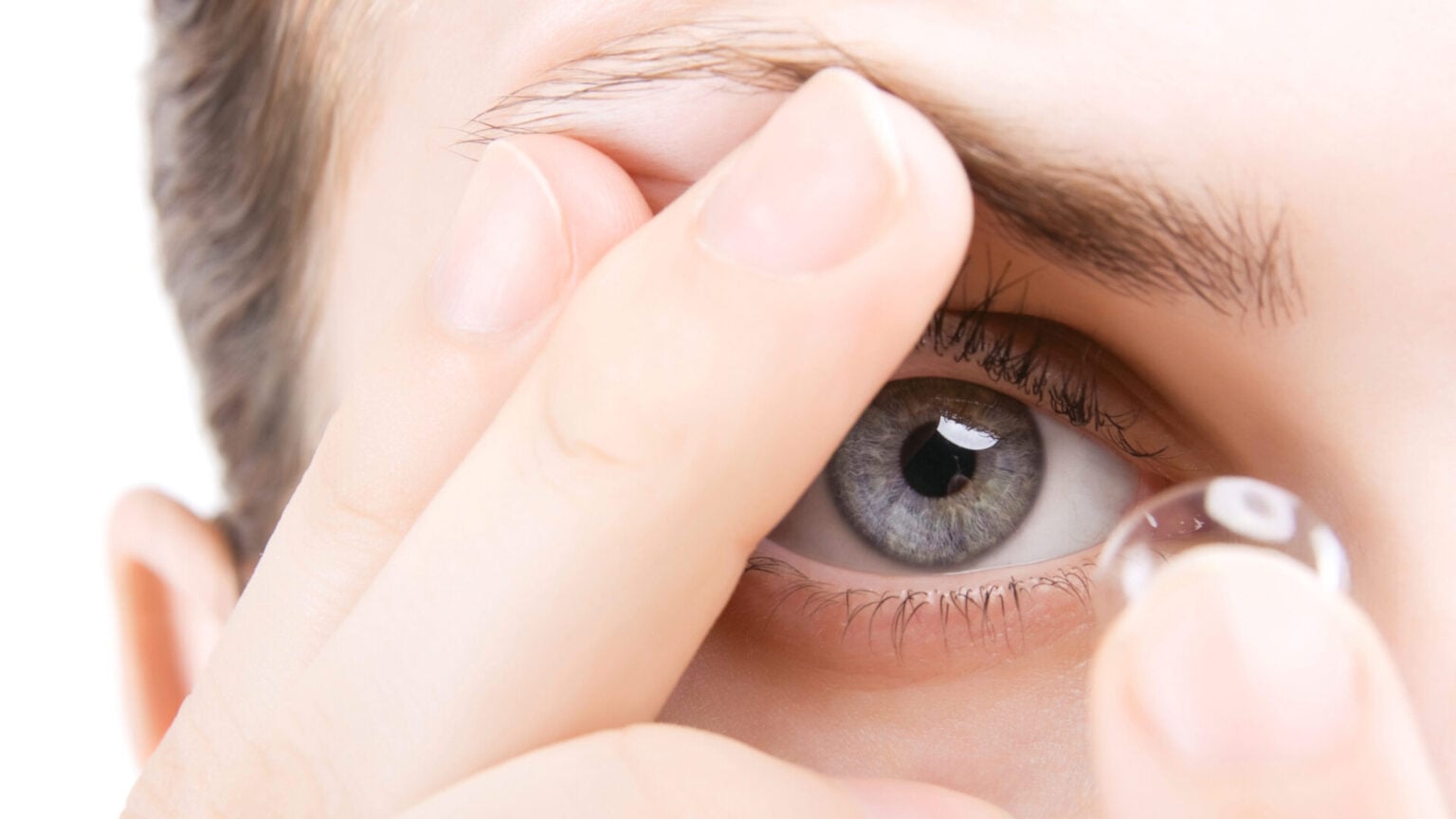
Half of all contact lens wearers develop dry eye symptoms at some point (Warby Parker, 2026). That gritty, irritated feeling by 3 p.m. The constant reaching for eye drops. The blurry vision makes you question whether contacts are even worth the hassle.
Here’s what’s worse: nearly 30% of the 140 million people who wear contact lenses worldwide have quit entirely due to dryness and discomfort (Ophthalmology Times, 2026). That’s roughly 42 million people who gave up on contacts when the right lens might have made all the difference.
You don’t have to be one of them.
The best contacts for dry eyes exist across every major brand and replacement schedule. The challenge is matching the right lens technology to your specific situation, whether that includes astigmatism, heavy screen time, or budget constraints.
This guide breaks down exactly which lenses actually help dry eye sufferers, provides a clear decision framework based on your severity level and lifestyle, compares the true cost of daily versus monthly options, and addresses the most common mistakes people make when choosing lenses for dry eyes.
Why Contact Lenses Cause Dry Eyes (And Why the Right Lens Matters)
Contact lenses sit directly on your tear film, the thin layer of moisture that keeps your eyes comfortable and your vision clear. When a lens disrupts that natural moisture distribution, dryness symptoms follow.
The numbers are striking: contact lens wearers are four times more likely to develop dry eye disease than those who don’t wear contacts (Ophthalmology Times, 2026). But that statistic doesn’t mean contacts and comfort are mutually exclusive. It means lens selection matters more than most people realize.
Several factors contribute to lens-related dryness:
Lens material plays a significant role. Traditional hydrogel lenses absorb water from your tear film, leaving your eyes feeling parched by day’s end. Silicone hydrogel lenses allow up to 5 times more oxygen to reach the cornea, reducing irritation and often improving comfort for dry-eye sufferers.
Water content creates a counterintuitive problem. Many people assume higher water content equals more moisture and comfort. In reality, high-water-content lenses can draw moisture away from your eyes as the lens material dries out throughout the day. Silicone hydrogel lenses with moderate water content often perform better for dry eye wearers.
Oxygen permeability, measured as Dk/t, determines how much oxygen reaches your cornea through the lens. Higher Dk/t values generally correlate with better all-day comfort, particularly for wearers prone to dryness.
Deposit buildup on reusable lenses creates another layer of the problem. Proteins and lipids from your tear film accumulate on lens surfaces over days and weeks, reducing comfort and exacerbating dryness symptoms.
The good news: lens technology has advanced significantly. Daily disposables and moisture-retention technologies are now designed specifically to address these issues, giving dry eye sufferers more options than ever before.
> The Oxygen Factor: Silicone hydrogel lenses allow up to 5x more oxygen to reach the cornea than traditional hydrogel materials. This increased oxygen permeability reduces corneal stress and often improves comfort for dry-eye sufferers, especially during extended wear.
Best Daily Contacts for Dry Eyes
Daily disposable lenses represent the gold standard for dry eye sufferers. A fresh lens every day means no deposit buildup, no overnight storage in solution, and no cumulative irritation from repeatedly wearing the same lens.
The market agrees: daily disposable lenses grew by nearly 12% year-on-year in 2025, making them the fastest-expanding segment in the global contact lens market (SNS Insider, 2025). Dry eye management is a significant driver of that growth.
Dailies Total1 (Alcon)
Water gradient technology sets Dailies Total1 apart from every other lens on the market. The lens core maintains 33% water content for structure and handling, while the outer surface approaches nearly 100% water content. The result is a lens that feels almost nonexistent.
SmarTears technology adds another layer of comfort by releasing phospholipids found in natural tears throughout the day.
Best for: Severe dry eye sufferers willing to invest in premium comfort. If you’ve tried multiple lenses and nothing has worked, Dailies Total1 is often the lens that finally delivers all-day comfort.
Acuvue Oasys 1-Day with HydraLuxe (Johnson & Johnson)
HydraLuxe technology integrates tear-like molecules directly into the lens matrix, creating a moisture cushion that works with your natural tear film rather than against it.
With a Dk/t of 121 (excellent oxygen permeability) and Class 1 UV blocking (the highest level available in contact lenses), Acuvue Oasys 1-Day delivers reliable performance from morning until bedtime.
Best for: All-day wearers who need consistent moisture retention through long work days, commutes, and evening activities.
Precision 1 (Alcon)
SMARTSURFACE technology creates a microthin moisture layer on the lens surface, providing comfort that punches above its price point.
Are Precision 1 contacts good for dry eyes? Yes. They’re specifically designed with a moisture-locking surface and represent an excellent budget-friendly option for dry eye sufferers who want quality without premium pricing. The technology isn’t as advanced as Dailies Total1, but for mild to moderate dry eye, Precision 1 often delivers comparable comfort at a lower cost.
Best for: Dry-eye sufferers seeking quality daily disposables without the premium price tag.
Daily Lens Comparison
Contact Lens Comparison
| Lens Name | Key Technology | Oxygen Permeability (Dk/t) | Water Content | Best For | Price Tier |
| Dailies Total1 | Water Gradient | 156 | 33% (core) to ~100% (surface) | Severe dry eye, all-day comfort | Premium |
| Acuvue Oasys 1-Day | HydraLuxe | 121 | 38% | Reliable all-day moisture | Mid-Premium |
| Precision 1 | SMARTSURFACE | 90 | 51% | Budget-friendly dry eye relief | Mid |
Best Monthly Contacts for Dry Eyes
Monthly lenses offer lower per-lens cost and work well for consistent daily wearers who don’t mind the maintenance routine. For dry-eye sufferers, monthly lenses can be effective, but they require diligent cleaning and proper storage. Deposit buildup is the enemy of dry eye comfort.
Bausch + Lomb ULTRA
MoistureSeal technology retains 95% of lens moisture for up to 16 hours, making Bausch + Lomb ULTRA an excellent choice for long workdays when you need your lenses to perform from your morning coffee through your evening commute.
Best for: Full-time wearers who need reliable all-day moisture retention and prefer the economics of monthly replacement.
Biofinity (CooperVision)
Aquaform technology naturally attracts and retains water within the lens material, maintaining moisture without relying on high water content (which can backfire for dry eye wearers).
Biofinity’s high oxygen permeability comes from its silicone hydrogel composition rather than water content, which often translates to better comfort for wearers who’ve struggled with other lenses.
Best for: Wearers who’ve tried other silicone hydrogel lenses without success. Biofinity’s unique approach to moisture retention works for many people who have found other monthly options uncomfortable.
Air Optix Plus HydraGlyde (Alcon)
HydraGlyde Moisture Matrix creates a lasting shield of moisture on the lens surface, while SmartShield technology resists deposits that can accumulate on monthly lenses and exacerbate dryness.
Best for: Wearers in dry environments (air-conditioned offices, heated homes, dry climates) or those with oily tear film who tend to build up deposits quickly.
Best Contacts for Dry Eyes and Astigmatism
Many lens guides ignore the combination of astigmatism and dry eyes, but this is one of the most common frustrations that contact lens wearers face. Toric lenses must stay properly positioned to correct astigmatism effectively, and dryness can cause them to rotate and blur vision.
Finding the best contacts for dry eyes and astigmatism requires balancing moisture technology with stabilization design.
Acuvue Oasys for Astigmatism (Biweekly)
Accelerated Stabilization Design keeps the lens properly positioned throughout the day, even during active movement. Hydraclear Plus technology provides moisture retention.
Best for: Moderate to high astigmatism combined with dry eye symptoms. The biweekly replacement schedule offers a middle ground between daily convenience and monthly value.
Precision 1 for Astigmatism (Daily)
The same SMARTSURFACE moisture technology from the spherical Precision 1 in a toric design. This lens offers the hygiene benefits of daily disposables with reliable astigmatism correction.
Best for: Astigmatic wearers who want the deposit-free benefits of daily lenses and experience dry eye symptoms.
Biofinity Toric (Monthly)
Optimized Toric Lens Geometry provides a stable fit and consistent vision, while Aquaform technology maintains natural moisture retention throughout the month.
Best for: Budget-conscious astigmatic wearers who don’t mind monthly replacement and can maintain a consistent cleaning routine.
Best Contacts for Dry Eyes and Computer Use
Screens make dry eyes worse. It’s not your imagination.
When you focus on a screen, your blink rate drops dramatically, from the normal 15-20 blinks per minute down to just 3-4 blinks per minute. Each blink spreads your tear film across your eyes and triggers the production of fresh tears. Fewer blinks mean less moisture and more dryness.
The best contacts for dry eyes and computer use address this challenge with technologies designed specifically for digital device users.
Biofinity Energys (CooperVision)
Digital Zone Optics is specifically designed to reduce eye strain from screens. The lens features a modified optical design that helps your eyes transition smoothly between digital devices at various distances.
Combined with Aquaform technology for moisture retention, Biofinity Energys targets the exact challenges heavy screen users face.
Best for: Office workers, students, and anyone with 6+ hours of daily screen time who wears monthly lenses.
Acuvue Oasys MAX 1-Day
TearStable Technology maintains moisture throughout the day, while OptiBlue Light Filter reduces exposure to blue light from screens. This is Acuvue’s most advanced daily lens for digital device users.
Best for: Heavy screen users who want premium daily comfort with blue light consideration.
> The 20-20-20 Rule: Every 20 minutes, look at something 20 feet away for 20 seconds. This simple habit can significantly reduce screen-related dry eye symptoms, regardless of which lenses you wear. Set a reminder on your phone or computer until it becomes automatic.
Choosing the Right Lens: A Decision Framework
The best lens for your dry eyes depends on three factors: severity, lifestyle, and budget. Use this framework to narrow your options before discussing specifics with your eye care professional.
Mild Dry Eye (Occasional End-of-Day Discomfort)
You can tolerate contacts most of the day, but notice some dryness or tiredness by evening.
Consider: Precision 1, Biofinity, Air Optix Plus HydraGlyde
Daily or monthly work at this severity level. Choose based on your lifestyle preference and whether you want the convenience of no maintenance or the economics of monthly replacement.
Moderate Dry Eye (Frequent Discomfort, Regular Eye Drop Use)
You reach for eye drops multiple times per day and sometimes consider taking your contacts out early.
Consider: Acuvue Oasys 1-Day, Bausch + Lomb ULTRA
Daily disposables often perform better at this level because every morning starts with a fresh, deposit-free lens. The cumulative irritation from wearing the same lens for weeks can significantly affect moderate dry-eye sufferers.
Severe Dry Eye (Constant Discomfort, Considering Quitting Lenses)
You struggle to wear contacts for a full day and have considered giving up on lenses entirely.
Consider: Dailies Total1, or discuss scleral lenses with your eye care professional
Dailies Total1 represents the most advanced moisture technology in a soft contact lens. For some severe dry eye sufferers, scleral lenses (larger lenses that vault over the cornea and create a fluid reservoir) offer an alternative when soft lenses fail. These require a specialty fitting but can work when nothing else does.
Quick Decision Checklist
- ☐ How severe is your dry eye? (Mild / Moderate / Severe)
- ☐ Do you have astigmatism? (Yes / No)
- ☐ How many hours per day on screens? (Under 4 / 4-8 / 8+)
- ☐ Budget preference? (Value / Mid-range / Premium)
- ☐ Prefer daily convenience or monthly value?
Daily vs. Monthly for Dry Eyes: Cost Comparison
The true cost of contact lenses isn’t just the price on the box. Monthly lenses require solution and cases and carry a higher risk of infection if not cleaned properly. Daily lenses cost more per unit but eliminate maintenance costs entirely.
For dry-eye sufferers specifically, the hygiene benefits of daily disposable lenses often justify the higher annual cost. But the numbers matter, so here’s a realistic comparison for a typical wearer.
Annual Contact Lens Cost Comparison
| Lens Type | Annual Lens Cost | Solution Cost | Total Annual Cost | Notes |
| Dailies Total1 (90-pack × 4) | ~$500–600 | $0 | ~$500–600 | Premium daily, no maintenance |
| Precision 1 (90-pack × 4) | ~$350–450 | $0 | ~$350–450 | Budget-friendly daily |
| Biofinity (6-pack × 2) | ~$150–200 | ~$50–80 | ~$200–280 | Monthly with solution |
| B+L ULTRA (6-pack × 2) | ~$175–225 | ~$50–80 | ~$225–305 | Monthly with solution |
*Note: Prices vary by prescription, retailer, and current promotions. Check current pricing at Contacts For Less for the most accurate comparison.*
The monthly versus daily decision for dry eye sufferers often comes down to this: Can you maintain a consistent cleaning routine, or would the guaranteed fresh-lens hygiene of dailies better serve your comfort?
Common Questions About Contacts and Dry Eyes
Which Brand of Contacts Are Best for Dry Eyes?
There’s no single “best” brand. Alcon (Dailies Total1, Precision 1), Johnson & Johnson (Acuvue Oasys), CooperVision (Biofinity), and Bausch + Lomb (ULTRA) all offer excellent dry-eye options.
The best brand for you depends on your specific tear film chemistry, prescription requirements, and lifestyle. What works perfectly for one dry eye sufferer may not work for another. This is why working with your eye care professional to try different options often leads to the best outcome.
Are Acuvue Oasys or Moist Better for Dry Eyes?
Both are excellent, but they work differently:
Acuvue Oasys 1-Day: Higher oxygen permeability (121 Dk/t), Class 1 UV protection, silicone hydrogel material. May feel more breathable and comfortable for extended wear.
1-Day Acuvue Moist: Higher water content (58%), traditional hydrogel, may feel “wetter” on insertion but can draw moisture from your eyes as the day progresses.
Neither is definitively better. Your individual tear film chemistry determines which feels more comfortable. If possible, try both with your eye care professional’s guidance.
Can I Wear Contact Lenses with Ocular Hypertension?
Yes, in most cases. Contact lenses do not cause glaucoma, and ocular hypertension alone doesn’t prevent contact lens wear.
Important considerations: If you use glaucoma drops, coordinate the timing of lens insertion and removal with your drop schedule. Very tight-fitting lenses or scleral lenses may not be advisable for some patients. Discuss your specific situation with your eye care professional, and maintain regular monitoring.
What Is the 3:1:1 Rule for Contacts?
This is a common misconception that appears in search results. The “3-1-1 rule” is actually a TSA airport security rule for liquids: 3.4-ounce containers, 1 quart-sized bag, 1 bag per passenger. It has nothing to do with contact lens wear or eye health.
For contact lens wearers traveling by air: Your contact lens solution must follow TSA liquid rules, but contact lenses in their sealed packaging can go through security without restriction.
The eye-health rule worth remembering is the 20-20-20 rule for screen use, not the 3-1-1 rule.
Common Pitfalls When Choosing Contacts for Dry Eyes
Assuming higher water content equals more comfort. Counterintuitive, but high water content lenses can draw moisture from your eyes as they dry out throughout the day. Silicone hydrogel lenses with moderate water content often perform better for dry eye wearers.
Overwearing monthly lenses. Stretching a 30-day lens to 45 or 60 days significantly increases deposit buildup and dry eye symptoms. Stick to the replacement schedule, even if the lens “feels fine.”
Ignoring environmental factors. Air conditioning, heating, airplane cabins, and low humidity all worsen lens-related dryness. Consider daily disposables for travel or in particularly dry environments, such as air-conditioned offices.
Not giving new lenses enough time. Most eye care professionals recommend wearing a new lens type for at least 1-2 weeks before judging comfort. Your eyes need time to adapt to different materials and technologies.
Skipping the eye exam conversation. Approximately 20% of new users discontinue contact lens wear within the first year due to comfort issues (SNS Insider, 2025). Many of these dropouts could find comfortable lenses by working with their eye care professional to try different options.
Using the wrong eye drops. Not all eye drops are compatible with contact lenses. Look for drops specifically labeled “for use with contact lenses” or preservative-free options. Using standard eye drops can coat your lenses, worsening discomfort.
When to Talk to Your Eye Care Professional: If you’ve tried multiple lens brands and still experience significant dryness, ask about prescription dry-eye treatments, punctal plugs, or specialty lenses. Sometimes the issue isn’t the lens. It’s the underlying dry eye disease that needs treatment beyond lens selection.
Key Takeaways and Next Steps
- Daily disposables are typically the best starting point for dry eye sufferers due to fresh-lens benefits and zero deposit buildup
- Silicone hydrogel materials with moderate water content often outperform traditional hydrogels for dry eye wearers
- Severity matters: Mild dry eye can work with most quality lenses, while severe dry eye may require premium options like Dailies Total1 or specialty fittings
- The astigmatism plus dry eye combination has good options, including Precision 1 for Astigmatism (daily) and Biofinity Toric (monthly)
- Screen-heavy users should consider lenses specifically designed for digital device use, like Biofinity Energys or Acuvue Oasys MAX 1-Day
The right lens exists for almost every dry eye sufferer. Finding your perfect fit may take some trial and error, but staying comfortable in contacts is worth the effort. Work with your eye care professional, try the options that match your severity and lifestyle, and don’t give up if the first lens doesn’t work.
As a 100% Canadian family-owned company, we donate a portion of every sale to the charity you choose, so finding comfortable lenses can also support a cause you care about.
Browse our full selection of daily and monthly lenses designed for dry eye comfort, or contact our Surrey-based team if you need help finding the right fit for your prescription. Comfortable, affordable contact lenses are closer than you think.
We will never sell your information to anyone.