
 United States
How Much Do Contacts for Astigmatism Cost? A Complete Pricing Guide

Paul Slusher
CEO
Published May 26th, 2026

Astigmatism affects approximately 1 in 3 adults globally, with a pooled prevalence of 40.4% according to systematic review data. Yet many shoppers assume toric contact lenses are financially out of reach. Here’s the reality: the cost of contacts for astigmatism has become far more accessible than most people expect. Disposable toric lenses typically cost $30 to $120 per month, or roughly $300 to $800 per year for both eyes.
Yes, toric lenses cost more than standard spherical contacts. But the price gap is narrower than you might think, and the benefits in visual clarity, comfort, and reduced eye strain often justify every dollar. The real question isn’t whether toric contacts are expensive. It’s whether you’re calculating the true cost correctly.
This guide breaks down what you’ll actually pay for contacts for astigmatism, including the often-overlooked expenses: exams, fittings, solutions, and supplies. You’ll learn how to compare daily, biweekly, and monthly toric options, maximize insurance and FSA benefits, and avoid the pricing pitfalls that cost wearers hundreds of dollars each year.
Let’s start with why toric lenses carry a premium in the first place.
What Makes Toric Contacts Cost More Than Standard Lenses?
Toric contact lenses aren’t simply spherical lenses with a different name. They’re engineered to correct two refractive errors simultaneously: the sphere (nearsightedness or farsightedness) and the cylinder (astigmatism). This dual correction requires a fundamentally different lens design.
The manufacturing complexity drives the price. Toric lenses feature weighted zones and stabilization technology that keep them oriented correctly on your eye. Unlike standard contacts that can rotate freely, toric lenses must maintain a specific axis alignment to deliver clear vision. If the lens rotates even slightly, your vision becomes blurry.
This precision engineering means additional manufacturing steps. The lens must be thicker in certain areas, incorporate a stabilization ballast, and maintain exact optical zones to meet your unique prescription parameters.
Fitting requires more professional time. When your eye care provider fits toric lenses, they spend additional time ensuring proper rotation and stable vision throughout your blink cycle. This more complex fitting process can increase professional fees compared to standard lens fittings.
The good news? The price premium is generally estimated at 20 to 40% over standard spherical lenses, not the double- or triple-markup some shoppers fear. And with silicone hydrogel materials now standard in most toric options, you’re getting lenses that allow significantly more oxygen to reach your cornea without necessarily paying extra for the material upgrade.
How Much Do Contacts for Astigmatism Actually Cost?
Per-Box and Annual Lens Costs
Let’s talk specific numbers. For standard disposable toric lenses, expect to pay $300 to $800 per year for both eyes. If you need specialty or custom-fit options for higher astigmatism prescriptions, the cost can range from $400 to $1,000+ annually.
The replacement schedule you choose dramatically affects your annual spending:
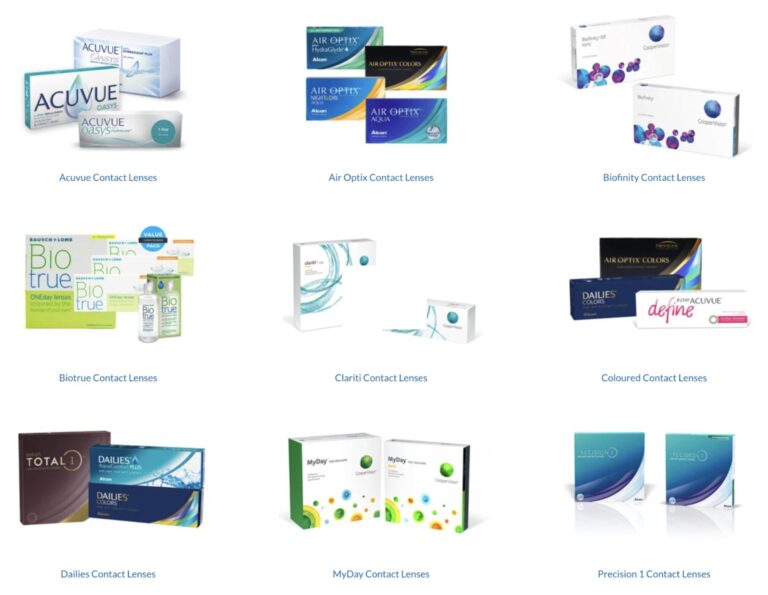
Daily disposable toric lenses sit at the higher end of the per-box pricing spectrum. Expect to pay $45 to $70 per 30-pack for each eye. Popular options like Acuvue Oasys 1-Day for Astigmatism or Dailies AquaComfort Plus Toric fall within this range. The upside? No solution costs and maximum convenience.
Biweekly toric lenses offer middle-ground pricing at $35 to $55 per 6-pack for each eye. These lenses, like Acuvue Oasys for Astigmatism, balance cost and convenience but require daily cleaning and storage.
Monthly toric lenses offer the lowest per-lens cost at $30 to $50 per 6-pack per eye. Options like Biofinity Toric or Air Optix for Astigmatism require diligent cleaning routines but maximize value for budget-conscious wearers.
Toric and multifocal specialty lenses now account for a growing share of contact lens demand, over 30% by some industry estimates, reflecting wider adoption as pricing becomes more competitive.
Brand positioning matters significantly. Premium options like Dailies Total 1 for Astigmatism command higher prices, while established performers like Biofinity Toric and Air Optix for Astigmatism deliver excellent visual performance at lower price points. Your eye care provider can recommend equally effective alternatives if cost is a primary concern.
The Hidden Costs: Exams, Fittings, and Supplies
The box price tells only part of the story. Here’s what else factors into your total annual cost:
Contact lens exams typically run $120 to $250 without insurance. This covers the comprehensive eye exam, plus the additional contact lens evaluation required to properly fit toric lenses.
Fitting fees for toric lenses range from $25 to $250. Some practices bundle this into the exam fee; others charge separately. The fitting typically includes trial lenses and follow-up visits to confirm your prescription delivers stable, clear vision.
Solution costs apply only to biweekly and monthly lens wearers. Budget $8 to $15 per month for a multipurpose solution, with an additional $100 to $180 annually. Lens solution is an ongoing expense that daily disposable wearers avoid entirely.
Minor but real expenses include replacing the lens case every 3 months (recommended for hygiene) and backup glasses for days when you can’t wear contacts.
Total Cost of Ownership Snapshot: A daily toric wearer might spend $700 to $1,000 per year, including exam and lenses. A monthly toric wearer might spend $450 to $700 per year, including exam, lenses, and solutions.
Cost Comparison: Daily vs. Biweekly vs. Monthly Toric Lenses
| Factor | Daily Disposable | Biweekly | Monthly |
| Annual lens cost (both eyes) | $500–$800 | $350–$550 | $300–$450 |
| Solution cost/year | $0 | $100–$150 | $100–$150 |
| Convenience | Highest | Moderate | Lowest |
| Best for | Sensitive eyes, travel, allergy sufferers | Balanced cost/convenience | Budget-conscious, consistent routines |
| Total estimated annual cost | $500–$800 | $450–$700 | $400–$600 |
Prices reflect typical Canadian online retailer pricing. Brick-and-mortar optical shops often charge 30 to 50% more per box.
Are Contacts for Astigmatism Covered by Insurance?
Most vision insurance plans include contact lens coverage, but the specifics vary dramatically between providers and plan tiers.
Typical vision insurance allowances range from $130 to $250 annually for contact lenses. Here’s the catch: since toric lenses cost more than standard contacts, insurance often covers only a portion of your total lens expense. Many toric wearers face $200 to $500+ in out-of-pocket costs even with active coverage.
Some plans require using specific retailers or in-network providers, which may limit your ability to shop for the best price. Before ordering, check your Summary of Benefits for:
- Annual contact lens allowance (the dollar amount your plan covers)
- Whether fitting fees are covered separately (some plans include fitting; others don’t)
- Restrictions on where lenses can be purchased (some plans require in-network purchases)
- Pre-authorization requirements for specialty toric lenses with higher cylinder powers or unusual parameters
If your plan requires documentation for specialty toric coverage, your prescribing eye care provider can typically submit the necessary information directly.
FSA and HSA: A Smart Way to Reduce Your Real Cost
Flexible Spending Accounts and Health Savings Accounts offer a legitimate strategy to reduce what you actually pay for toric contacts.
Contact lenses, exams, fittings, and solutions are all FSA/HSA-eligible expenses. Using pre-tax dollars to purchase a year’s supply effectively saves 20 to 30%, depending on your tax bracket. If you’re in the 25% tax bracket, a $600 annual lens expense effectively costs you $450 in after-tax dollars.
Strategy tip: Order before your FSA “use it or lose it” deadline, which falls on December 31 for most plans. This lets you maximize benefits that would otherwise expire unused.
FSA and HSA cards are accepted at most online contact lens retailers, making it straightforward to apply your pre-tax funds directly at checkout.
Are Toric Contacts Worth the Extra Cost?
This is the real question. You know toric lenses cost more. Is the investment justified?
Research published in Contact Lens and Anterior Eye found that toric contact lens wearers experienced measurable improvements in visual acuity and significantly reduced visual fatigue compared with uncorrected or glasses-only correction for astigmatism.
The digital device connection deserves attention. If you spend six or more hours daily on screens, toric lenses can meaningfully reduce eye strain. The same research documented improvements in near visual performance with digital devices, translating to real productivity and comfort benefits for desk workers, students, and anyone whose life revolves around screens.
Who benefits most from toric contacts?
- People spend 6+ hours daily on computers, tablets, or phones
- Those who dislike glasses for sports, outdoor activities, or cosmetic preferences
- Wearers with moderate to high astigmatism (cylinder power of 1.25D or higher)
- Anyone experiencing persistent eye fatigue or headaches with glasses
A balanced perspective: For very mild astigmatism under 0.75D, some wearers do fine with standard spherical lenses. Your eye care professional can evaluate whether your astigmatism warrants toric correction or whether spherical lenses might be adequate for your needs.
For most people with astigmatism, toric contacts are worth the incremental cost. The combination of clearer vision, improved comfort, and reduced daily eye strain delivers ongoing value that compounds over time.
Can I Wear Contact Lenses with Ocular Hypertension?
This concern appears frequently but receives limited coverage elsewhere. Here’s what you should know.
Standard soft toric lenses are generally considered safe for people with ocular hypertension, which refers to elevated intraocular pressure (IOP) without glaucoma damage. The contact lens itself doesn’t directly affect IOP in ways that would worsen ocular hypertension.
The important caveat: Anyone with ocular hypertension should discuss contact lens wear with their eye care provider. Individual factors, including your specific IOP levels, monitoring schedule, and overall eye health, influence whether contacts are appropriate for you.
Daily disposable lenses may be preferred for patients with ocular hypertension because they simplify compliance with IOP monitoring schedules. There’s no lens removal and reinsertion required on examination days, since you simply insert a fresh pair after your appointment.
Emerging technology in this space includes smart contact lenses capable of continuous IOP monitoring. While not yet widely available, this represents an active area of research that may eventually benefit patients with glaucoma and ocular hypertension.
If you have ocular hypertension or glaucoma, always disclose this to your optometrist before fitting. This information influences lens selection and recommendations for wearing schedules.
Common Pitfalls When Buying Contacts for Astigmatism
Pitfall 1: Comparing only per-box prices. The cheapest box isn’t always the cheapest year. A less expensive monthly lens, plus $150 in annual solution costs, may exceed what you’d spend on pricier daily disposables with no solution costs.
Pitfall 2: Skipping the fitting. Toric lenses require precise axis alignment. A poor fit leads to blurry, rotating vision and wasted money on lenses you can’t wear comfortably. The fitting fee pays for itself in lenses that actually work.
Pitfall 3: Ordering the wrong parameters. Toric prescriptions include sphere, cylinder, and axis. Unlike spherical lenses with just two numbers, toric prescriptions have multiple parameters that must match exactly. Double-check every number before ordering; returns on opened contact lenses are often restricted. If you’re unsure how to read your prescription, this guide to getting contacts walks through the process.
Pitfall 4: Ignoring rebates and bulk discounts. Many manufacturers offer $50 to $100 rebates on 6-month or annual supplies. Currently, manufacturers are offering 6-month supply rebates rather than requiring full annual purchases, making it easier to access these savings. Missing rebates leaves real money on the table.
Pitfall 5: Assuming insurance covers everything. Most plans cover only a fraction of the cost of toric lenses. Budget for out-of-pocket expenses even with active coverage, and use FSA/HSA funds strategically to bridge the gap.
Before You Order: Quick Checks
☐ Prescription is current (most expire after 1 to 2 years)
☐ All parameters confirmed: sphere, cylinder, axis, base curve, diameter
☐ Checked insurance allowance and FSA/HSA balance
☐ Compared total annual cost, not just per-box price
☐ Looked for manufacturer rebates or retailer promotions
How to Save on Contacts for Astigmatism
Buy online from a reputable retailer. Online prices are 20 to 40% lower than those at brick-and-mortar optical shops. Online retail now accounts for a significant and growing share of contact lens sales, estimated at more than a third of the global market, and that share continues to grow as shoppers discover the savings.
Order in bulk. A year’s supply often unlocks free shipping, rebates, and lower per-box pricing. Even a 6-month supply typically qualifies for manufacturer rebates, reducing your per-lens cost.
Use FSA/HSA funds strategically. Pre-tax savings effectively reduce your cost by 20 to 30%, with no extra effort beyond submitting your payment with your benefits card.
Check for manufacturer rebates. Brands like Acuvue, Alcon, and CooperVision regularly offer mail-in or online rebates. These stack with retailer pricing, compounding your savings.
Compare across brands. If your eye care provider approves, ask about equally effective but lower-cost alternatives. Biofinity Toric delivers excellent performance at a lower price point than some premium daily options.
Don’t over-buy solutions. Daily disposable wearers don’t need a multipurpose solution at all. If you’re switching from monthly to daily lenses, factor in the savings from the solution into your cost comparison.
Conclusion and Next Steps
The cost of contacts for astigmatism is real but manageable. Here’s what to remember:
- Annual lens costs typically range from $300 to $800 for standard toric lenses, with specialty options running $400 to $1,000+
- Total cost of ownership, including exams, fittings, and supplies, falls between $450 and $1,000+, depending on your lens type and buying habits
- The price premium over standard lenses runs 20 to 40%, not the dramatic markup many shoppers fear
- Insurance covers a portion, typically $130 to $250 annually for most vision plans, leaving meaningful out-of-pocket expenses for many wearers
- FSA/HSA funds, bulk ordering, and online shopping can reduce your effective cost by 30% or more
For most astigmatism patients, toric contacts deliver value that exceeds their incremental cost. Clearer vision, reduced eye strain, and improved comfort during screen-heavy days add up to meaningful quality-of-life benefits.
Use the comparison table and checklist above to estimate your specific costs. Factor in your insurance coverage, available FSA/HSA funds, and preferred wearing schedule to find the combination that fits your eyes and your budget.
At Contacts For Less, we carry all major toric lens brands, including Acuvue, Alcon, Bausch & Lomb, and CooperVision, at competitive prices. As a 100% Canadian family-owned company, we also donate a portion of every sale to the charity you choose, so your order supports more than just your vision.
Browse our full selection of toric contact lenses and find the right fit for your eyes and your budget.
We will never sell your information to anyone.