
 United States
How Often Do You Need an Eye Exam for Contact Lenses?

Paul Slusher
CEO
Published May 21st, 2026
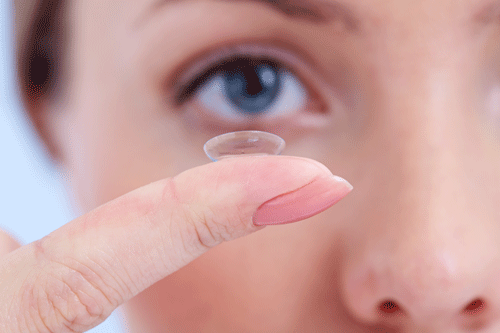
You’re down to your last box of contacts. You go online to reorder, and suddenly the system asks for an updated prescription. That’s when it hits you: your prescription expired months ago, and now you’re stuck waiting for an appointment while rationing your remaining lenses.
It’s a frustrating scenario, and it’s more common than you’d think. Contact lens wearers need a comprehensive eye exam at least once a year, both to protect their eye health and to ensure prescriptions are up to date, as prescriptions legally expire. This isn’t just a recommendation from your optometrist. It’s built into federal regulations that every contact lens retailer, including us, must follow.
The stakes are real. According to CDC data, sleeping in contact lenses increases the risk of eye infections by six to eight times (CDC MMWR, 2025). And 85% of teen contact lens wearers report at least one behavior that puts them at risk for infection (CDC MMWR, 2017). Regular exams catch problems before they become serious.
This guide covers the standard recommendation for exam frequency, how that changes based on your age and lens type, what actually happens during a contact lens exam, and practical tips to stay on schedule so you’re never stuck scrambling for an appointment again.
Why Contact Lens Wearers Need More Frequent Exams Than Non-Wearers
The Baseline Recommendation
The American Optometric Association recommends annual comprehensive eye exams for all contact lens wearers. This is more frequent than general population guidance. The American Academy of Ophthalmology suggests that low-risk adults without vision correction needs can often wait two to three years between exams. Contact lens wearers don’t have that luxury.
The difference comes down to how contact lenses interact with your eyes. Lenses sit directly on your cornea, and even well-fitted lenses reduce oxygen flow to the eye’s surface. Over time, this can cause subtle changes to corneal health that you won’t notice until they become a problem.
Your optometrist checks more than just whether your prescription has changed. They’re evaluating corneal health, tear film quality, and lens fit. These assessments require specialized equipment and can’t be done at home, no matter how good your vision seems.
What the FTC Contact Lens Rule Requires
Here’s something most contact lens wearers don’t realize: your prescription must be valid for at least 1 year by federal law. The FTC Contact Lens Rule establishes this as the baseline, though your eye care provider can set a shorter validity period if they document a medical reason.
This is why online retailers, including Contacts For Less, ask for current prescriptions before processing orders. It’s not a sales tactic or an inconvenience we created. It’s a legal requirement designed to protect your eye health.
Some states allow prescriptions to remain valid for up to two years. However, the clinical recommendation for contact lens wearers remains annual exams regardless of what your state permits. Your legal ability to reorder and your eye health needs aren’t always the same thing.
Understanding how to get contacts with an expired prescription in Canada can help if you find yourself in a pinch, but the better approach is staying ahead of your exam schedule.
How Often Should You Get an Eye Exam? Recommendations by Age
Exam frequency recommendations vary based on age, health status, and whether you wear contact lenses. Here’s a quick-reference breakdown:
Recommended Eye Exam Frequency by Age Group
| Age Group | General Population (Non-Lens Wearers) | Contact Lens Wearers |
| Children (6–17) | Every 1–2 years | Annually (or more often for myopia control) |
| Young Adults (18–39) | Every 2–3 years (low risk) | Annually |
| Adults (40–64) | Every 1–2 years | Annually |
| Seniors (65+) | Annually | Annually |
Children and Teens
How often should a child get an eye exam? If your child wears contact lenses, annual exams are the minimum. For children using specialty lenses for myopia control, such as orthokeratology or multifocal soft lenses, more frequent monitoring is typically required. Many optometrists schedule these patients every six months, especially during the initial treatment period.
The need for vigilance is growing. Myopia has tripled in children since 1990, making early and regular eye exams more important than ever. If your child is showing signs they might be ready for contacts, understanding the signs your kids might be ready for contact lenses can help you prepare for the conversation with their eye doctor.
The CDC reports that 85% of adolescent contact lens wearers engage in at least one risky hygiene behavior, from sleeping in lenses to swimming with them (CDC MMWR, 2017).em in. Annual exams help catch problems early, before a minor issue becomes a serious infection.
Adults 18-39
For healthy young adults wearing contact lenses, a standard annual exam is sufficient. This is the largest demographic of contact lens wearers. The average age of a contact lens wearer in the United States is 31 (Lens.com, 2025), and approximately 45 million Americans wear contacts overall (CDC, 2025).
Daily disposable lenses have the highest compliance rates and lowest infection risk among all lens types. Daily disposables now account for approximately 40% of soft lens fits (Lens.com, 2025). But even with the most hygienic lens option, you still need an annual exam to renew your prescription and verify your corneal health.
If you’re weighing your options between lens types, our guide on daily vs monthly contacts breaks down the practical differences.
Adults 40 and Over
How often should you get your eyes checked after 40? Annual exams become even more important after age 40, when presbyopia typically begins. Presbyopia is the age-related loss of near vision that makes reading small print increasingly difficult.
Multifocal contact lenses require precise fitting, and your optometrist may recommend more frequent follow-up visits when you’re first transitioning to this lens type. Multifocal and toric designs together now comprise over 30% of contact lens demand (SNS Insider, 2025), reflecting just how common these specialized prescriptions have become.
After 65, annual exams are standard for everyone, including contact lens wearers. Age-related eye conditions like glaucoma and macular degeneration become more likely with age, making regular monitoring essential. Our guide to multifocal contact lenses covers what to expect if you’re considering this option.
Does Your Lens Type Affect How Often You Need an Exam?
Your lens type influences your risk profile, though it doesn’t typically change the baseline annual exam recommendation. Understanding these differences helps you have more informed conversations with your eye care provider.
Daily Disposables
Daily disposable lenses are the lowest-maintenance option and have the highest compliance rates. You wear a fresh pair each day and discard them at night. No cleaning solutions, no storage cases, no opportunities for bacteria to build up on your lenses.
That said, daily disposables still require annual exams. Your prescription needs verification, and your optometrist needs to check that your corneas remain healthy. Daily disposables reduce certain risks but don’t eliminate the need for professional monitoring.
If you experience dryness with your current lenses, our list of the best daily contacts for dry eyes might help you find a more comfortable option to discuss with your doctor.
Biweekly and Monthly Lenses
Biweekly and monthly lenses require daily cleaning and proper storage. This introduces more opportunities for user error, from inadequate lens care to wearing lenses past their replacement schedule.
Annual exams help ensure your lens care routine isn’t causing subtle corneal changes you may not notice. Your optometrist may ask about your cleaning habits and recommend adjustments if they observe any concerning signs.
Toric Lenses (for Astigmatism)
Can you use contact lenses if you have astigmatism? Absolutely. Toric lenses are specifically designed to correct astigmatism and are available in daily, biweekly, and monthly options.
Toric lenses must be fitted precisely to stay oriented correctly on the eye. Unlike standard spherical lenses, toric lenses have different powers in different meridians, so they must be positioned at a specific angle. Annual exams ensure your fit remains accurate and your astigmatism correction remains appropriate.
New options continue to expand choices for patients with complex prescriptions. The launch of ACUVUE OASYS MAX 1-Day Multifocal for Astigmatism in 2025 marked the first daily disposable multifocal toric lens, addressing a major gap for presbyopic patients with astigmatism.
Extended Wear and Specialty Lenses
Extended-wear lenses are approved for overnight use, but they carry a higher risk of infection than daily-wear lenses. If you sleep in your contacts, even occasionally, more frequent check-ups may be warranted.
Orthokeratology lenses, which reshape your cornea overnight to provide clear vision during the day, typically require exams every 6-12 months, depending on your treatment plan.
The statistics on overnight wear are sobering. Sleeping in contact lenses increases the risk of eye infections by a factor of 6 to 8 (CDC MMWR, 2025). Even with lenses approved for overnight wear, close monitoring matters.
What Happens During a Contact Lens Exam?
If you’re unsure what to expect, knowing the process can reduce anxiety about scheduling your appointment.
A contact lens exam includes everything in a standard comprehensive eye exam, plus a contact lens fitting evaluation. The key components include:
- Visual acuity testing: Reading the eye chart to assess how well you see at various distances
- Refraction: Determining your exact prescription through a series of lens comparisons
- Corneal curvature measurement: Measuring the shape of your cornea to ensure proper lens fit
- Tear film assessment: Evaluating your tear quality and quantity, especially important for dry eye sufferers
- Slit-lamp examination: Using a specialized microscope to check for corneal damage, deposits, or signs of infection
- Lens fit evaluation: If you’re already wearing contacts, assessing how your current lenses sit on your eyes
Patients with underlying conditions such as diabetes, dry eye, or keratoconus may need additional testing. Your optometrist will discuss any extra evaluations based on your specific health history.
For first-time contact lens wearers, our complete guide on how to get contacts walks you through the process from initial appointment to your first order.
Common Questions About Eye Exams and Contacts
What Is the 20-20-20 Rule for Contacts?
The 20-20-20 rule is a simple eye comfort guideline: Every 20 minutes, look at something 20 feet away for 20 seconds. Both the AOA and AAO recommend this practice to reduce digital eye strain.
This rule is especially relevant for the millions of contact lens wearers who spend hours on screens daily. While the scientific evidence for its effectiveness is limited, it’s a simple habit that may help reduce eye fatigue throughout your workday.
Important clarification: The 20-20-20 rule is an eye-comfort tip, not a substitute for regular eye exams. Following this guideline doesn’t reduce your need for annual professional evaluations.
What Is the 3-1-1 Rule for Contacts?
This is a common point of confusion. The 3-1-1 rule is actually a TSA guideline for traveling with liquids, not an eye care recommendation.
For contact lens wearers, this means your contact lens solution containers must be 3.4 oz (100 ml) or smaller, packed in a 1-quart clear plastic bag, with 1 bag per traveler.
Travel tip: Consider packing daily disposable lenses when traveling to simplify your routine. You won’t need to carry a solution through security or worry about keeping your lens case clean in unfamiliar environments.
Common Pitfalls: Mistakes That Lead to Skipped Exams
Understanding why people miss exams can help you avoid the same traps. Here’s a checklist of common pitfalls with practical solutions:
Pitfall 1: “My vision hasn’t changed, so I don’t need an exam.”
Reality: Your prescription may be stable, but your corneal health can change without noticeable symptoms. Many complications are caught during routine exams before they cause discomfort or vision problems.
Pitfall 2: “I’ll schedule an exam when I run out of lenses.”
Reality: This approach leads to last-minute scrambles or wearing lenses past their replacement schedule while waiting for an appointment. Set an annual reminder now instead of waiting until you’re on your last box.
Pitfall 3: “Online exams can replace in-person visits.”
Reality: Telemedicine options can be convenient for prescription renewals in some cases, and online contact lens purchases now represent 28% of sales (SNS Insider, 2025). But virtual exams can’t evaluate corneal health, lens fit, or tear film quality. An in-person comprehensive exam remains the standard of care for contact lens wearers.
Pitfall 4: “Exams are too expensive to do every year.”
Reality: The cost of skipping exams can be much higher. Contact lens-related infections like microbial keratitis contribute to an estimated $175 million in U.S. healthcare costs annually. In severe cases, these infections can lead to permanent vision loss.
Practical tip: Set a calendar reminder for your exam anniversary, or use your birthday as an easy-to-remember annual trigger.
Quick Reference: Your Contact Lens Exam Schedule
The short answer:
– All contact lens wearers: Annual comprehensive eye exam (minimum)
– Children in myopia control lenses: Every 6-12 months as directed
– New multifocal or toric wearers: Follow-up visits as recommended by your optometrist
– Extended wear users: Consider more frequent check-ups due to higher infection risk
Your prescription expiration:
– Minimum 1-year validity (FTC rule)
– Some states allow up to 2 years
– Keep your Rx current to avoid delays when reordering
Key Takeaways
- Annual exams are the baseline for all contact lens wearers, regardless of lens type or whether your vision has changed
- Federal law requires prescriptions to be valid for a minimum of one year, which is why retailers ask for current prescriptions
- Age and lens type matter: Children in myopia control lenses may need exams every six months, while adults over 40 transitioning to multifocals may need extra follow-ups
- Contact lens exams include specialized evaluations beyond standard eye exams, including corneal health assessment and lens fit evaluation
- Prevention costs less than treatment: Skipping exams to save money can lead to complications that are far more expensive, and potentially vision-threatening, to address
Next Steps
If it’s been more than a year since your last comprehensive eye exam, schedule an appointment soon. Your eyes and your prescription will thank you.
Once your prescription is current, you can set up a recurring annual reminder so you never find yourself rationing your last few lenses while waiting for an appointment. Many optometry offices also offer reminder services to help you stay on track.
As a 100% Canadian family-owned company, we make it easy to reorder your lenses once your prescription is up to date. And a portion of every sale goes to the charity you choose, so your purchase supports causes you care about.
Browse our full selection of contact lenses at Contacts For Less, and reorder with confidence once your prescription is current. Your next exam might be the easiest investment you make in your long-term eye health.
We will never sell your information to anyone.