
 United States
The Best Contact Lenses for Sensitive Eyes: A Complete Guide to Comfortable, Irritation-Free Wear

Paul Slusher
CEO
Published May 21st, 2026
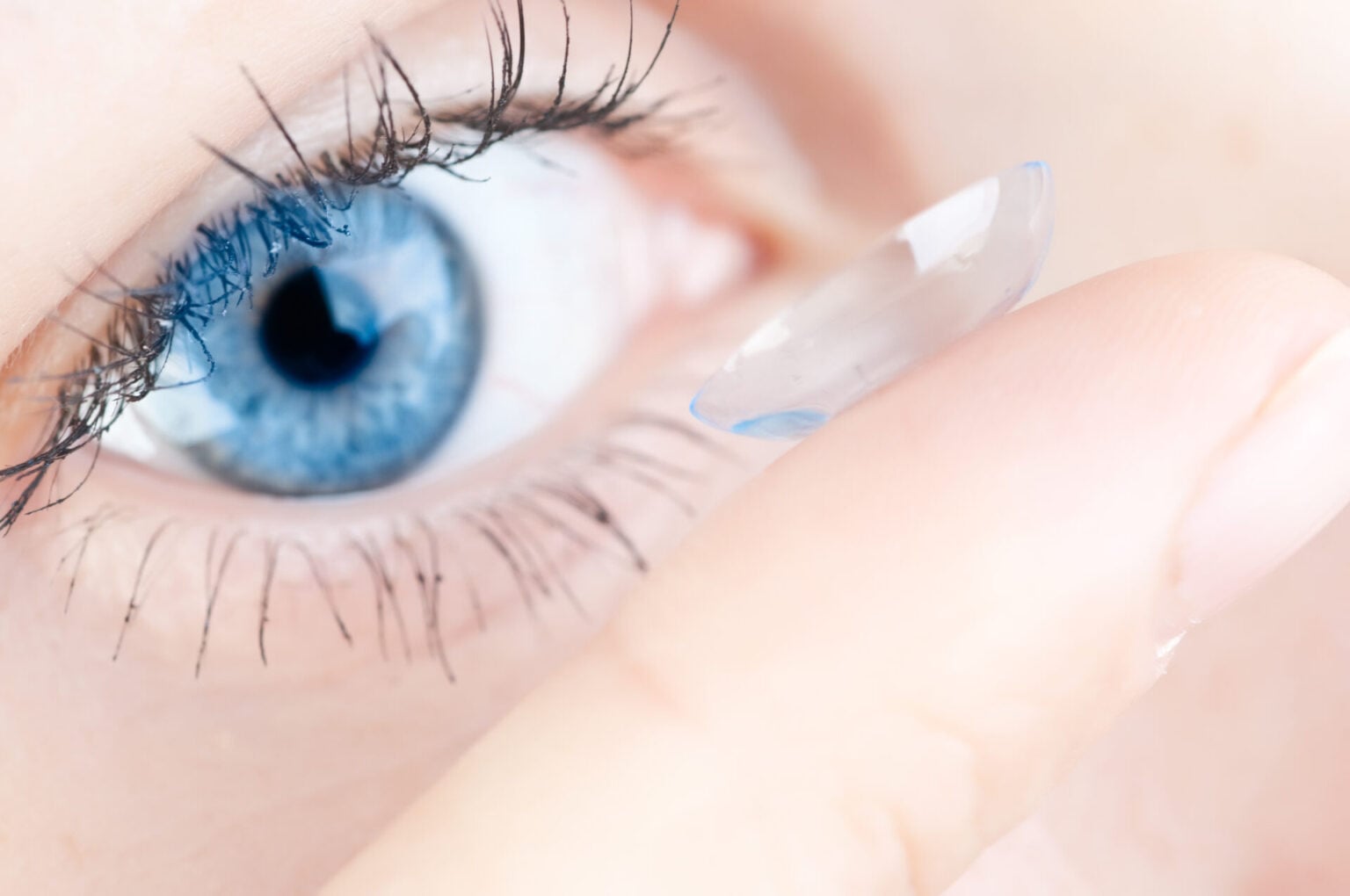
Between 15% and 55% of contact lens wearers experience symptoms consistent with dry eye disease (PLOS ONE, 2025). That’s a staggering range, and it points to a problem most people misunderstand: many assume the discomfort is just part of wearing lenses. It isn’t.
If you’ve dealt with dryness, redness, itching, or that gritty “end of day” feeling that makes you want to rip your lenses out by 4 p.m., you’re not alone. But here’s what most guides won’t tell you: sensitive eyes aren’t a single problem. They’re a category that includes dryness, allergies, and solution reactions, and each requires a different approach.
This guide will help you identify your specific type of sensitivity, understand which lens technologies actually address it, and match you to the best contacts for sensitive eyes based on your lifestyle and prescription needs. We’ll cover daily versus monthly lenses, toric options for astigmatism, coloured contacts for sensitive eyes, and what to do if you have allergies or glaucoma.
At Contacts For Less, we carry every major lens designed for sensitive eyes, from Dailies Total1 to Acuvue Oasys. We want to help you find the right fit, not just make a sale.
What Makes Eyes “Sensitive” to Contact Lenses?
Understanding the Three Types of Sensitivity
Not all eye sensitivity is the same. Before you can find the right lens, you need to understand what’s actually causing your discomfort. Most sensitive-eye problems fall into one of three categories:
Dryness-dominant sensitivity occurs when your eyes don’t produce enough tears or when tears evaporate too quickly. You’ll notice lenses feeling dry, scratchy, or uncomfortable after just a few hours of wear. About 55% of contact lens wearers report intermittent dryness (Vision Center, 2025), making this the most common sensitivity type. Symptoms tend to persist year-round and often worsen with screen time, air conditioning, or low-humidity environments.
Allergy-dominant sensitivity is triggered by seasonal or environmental allergens like pollen, dust, and pet dander. Between 40% and 60% of contact lens wearers report occasional or seasonal allergy symptoms (Lens.com, 2025). You’ll experience itching, redness, and watering that gets worse during spring and fall or when you’re around specific triggers. The key difference from dryness: symptoms improve when you’re away from allergens.
Solution-sensitive reactions happen when preservatives or chemicals in multipurpose cleaning solutions cause stinging, redness, or irritation. This is often mistaken for dry eye because the symptoms overlap. The giveaway: discomfort starts immediately after insertion and improves on days you don’t wear lenses at all.
Why does this distinction matter? Each type responds best to different lens materials, replacement schedules, and care routines. A lens perfect for dryness may not help allergies, and vice versa.
> Not sure which type you are? If symptoms improve on days you don’t wear lenses but return within hours of insertion, you may be solution-sensitive. If symptoms worsen outdoors or during allergy season, allergies are likely a factor. If discomfort builds throughout the day regardless of environment, dryness is often the culprit.
How Lens Technology Affects Sensitive Eyes
Silicone Hydrogel vs. Traditional Hydrogel
Silicone hydrogel is a modern lens material that allows significantly more oxygen to reach the cornea than traditional hydrogel lenses. This matters because oxygen-starved corneas are more prone to redness, irritation, and discomfort throughout the day.
The numbers back this up: silicone hydrogel now dominates with 65.38% market share, driven by superior oxygen permeability and comfort (SNS Insider, 2025). Most eye care professionals default to silicone hydrogel for patients with sensitive eyes because it reduces hypoxia-related complications.
That said, traditional hydrogel isn’t dead. Some wearers with specific sensitivities find certain hydrogel dailies, like 1-Day Acuvue Moist, comfortable due to their moisture-retention coatings. If you’ve had reactions to silicone hydrogel lenses (though rare), a premium hydrogel daily may be worth discussing with your eye care professional.
Water Gradient and Moisture-Locking Technologies
The most significant innovation for sensitive eyes is water gradient technology. In these lenses, the surface approaches nearly 100% water content while the core provides structure. The result mimics the feel of natural tears against your eye. Dailies Total1 and Total30 use this approach, and it’s a game-changer for dryness-dominant sensitivity.
- Beyond water gradient, each major manufacturer has developed moisture-locking systems:
- HydraLuxe (Acuvue Oasys 1-Day): Integrates tear-like molecules throughout the lens
- HydraGlyde (Air Optix): Creates a moisture matrix across the lens surface
- MoistureSeal (Bausch + Lomb Ultra): Retains 95% moisture for up to 16 hours
The practical takeaway: for dryness-dominant sensitivity, prioritize lenses with advanced moisture technology rather than just “soft” or “comfortable” marketing claims. Ask specifically about water gradient or named moisture systems when discussing options with your eye care professional.
Best Daily Contacts for Sensitive Eyes
Daily disposable lenses have become the gold standard for sensitive eyes, and the data support this. Daily disposables account for approximately 48% of global lens usage (Global Growth Insights, 2025), and that share continues to grow among sensitive-eye wearers.
The reasons are straightforward: no cleaning solution required (eliminating solution sensitivity entirely), a fresh lens every day (reducing allergen and deposit buildup), and the most hygienic wear schedule possible.
Top Daily Lenses for Sensitive Eyes by Sensitivity Type
Best Contact Lenses for Dry Eyes
| Lens Name | Best For | Key Technology | Available in Toric? |
| Dailies Total1 (Alcon) | Dryness-dominant | Water Gradient (surface ~100% water) | Yes |
| 1-Day Acuvue Moist | Mild dryness, budget-conscious | LACREON moisture cushion | Yes |
| Acuvue Oasys 1-Day with HydraLuxe | Dryness + long screen days | HydraLuxe tear-infused design | Yes |
| Biotrue ONEday (Bausch + Lomb) | Dryness, bio-inspired comfort | Matches eye’s natural moisture (78% water) | Yes |
| Bausch + Lomb INFUSE | Severe dryness | ProBalance Technology, high oxygen | Yes |
| Precision1 (Alcon) | Mild sensitivity, value | SMARTSURFACE microlayer | No (sphere only) |
What brand of contacts are best for sensitive eyes? For most sensitive-eyed wearers, [Dailies Total1](https://contactsforless.ca/dailies-total1-comparison-review/) and Acuvue Oasys 1-Day consistently rank highest in comfort studies and user reviews. But the “best” depends on your specific sensitivity type. If budget is a concern, 1-Day Acuvue Moist delivers solid comfort at a lower price point.
If you want coloured contacts for sensitive eyes, choose daily disposables from reputable brands like Dailies Colors or 1-Day Acuvue Define. Avoid extended-wear or unbranded cosmetic lenses, which often lack proper oxygen permeability and can significantly worsen sensitivity. We cover more on this in our guide to choosing coloured contact lenses online.
Best Monthly Contacts for Sensitive Eyes
Monthly lenses make sense in specific situations: when budget is the primary consideration, when your prescription is stable, or when you don’t experience solution sensitivity. The trade-off is real, though. Monthly lenses require proper cleaning and storage, and deposits can build up over time, triggering irritation in sensitive eyes.
Top Monthly Lenses for Sensitive Eyes
Best Monthly Contact Lenses for Dry Eyes
| Lens Name | Best For | Key Technology |
| Air Optix Plus HydraGlyde (Alcon) | Dryness, deposit resistance | HydraGlyde moisture matrix |
| Biofinity (CooperVision) | All-day comfort, high oxygen | Aquaform technology |
| Bausch + Lomb Ultra | Long wear days, dryness | MoistureSeal (95% moisture at 16 hrs) |
| Total30 (Alcon) | Premium dryness relief | Water Gradient (monthly) |
Total30 deserves special mention. It brings Alcon’s water gradient technology to a monthly lens, previously available only in dailies. If you prefer monthly replacement but struggle with dryness, this is currently the most advanced option available.
Practical guidance: If you currently wear monthly lenses and experience sensitivity, try switching to dailies for one month as a diagnostic test. If symptoms improve, solution sensitivity or deposit buildup may be the underlying issue. The cost difference between daily and monthly lenses has narrowed significantly, making this experiment more accessible than ever.
Best Contacts for Sensitive Eyes with Astigmatism
If you have astigmatism, you may have assumed comfortable lenses aren’t an option for you. Older toric lens designs were thicker and less breathable, causing more discomfort for sensitive wearers. That’s changed dramatically.
Modern toric options for sensitive eyes include:
- Dailies Total1 for Astigmatism: Water gradient technology in a toric design
- 1-Day Acuvue Moist for Astigmatism: Daily with LACREON moisture
- Acuvue Oasys for Astigmatism: Biweekly with Hydraclear Plus
- Biofinity Toric: Monthly with Aquaform comfort technology
The key point: don’t assume you can’t find comfortable lenses because you have astigmatism. Today’s toric dailies offer the same moisture technologies as standard spherical lenses. Every daily lens recommended in our table above is available in a toric version except Precision1.
If you need both astigmatism correction and sensitivity accommodation, daily toric lenses are your best starting point. The combination of daily fresh lenses and advanced moisture technology addresses both needs simultaneously.
Best Contacts for Allergy Eyes
Allergies complicate lens wear in ways that go beyond simple irritation. Pollen, dust, and dander accumulate on lens surfaces throughout the day. When you rub itchy eyes with lenses in, you can cause micro-abrasions that make everything worse. And allergen buildup overnight on reusable lenses means you start each day with yesterday’s irritants against your eye.
Daily disposables are essential for allergy sufferers. Fresh lens each day means no allergen buildup overnight, period.
Top Picks for Allergy Eyes
- Dailies Total1: Minimal surface deposits due to water gradient technology
- 1-Day Acuvue Moist: Budget-friendly and widely tolerated
- Biotrue ONEday: High water content that mimics natural tears
Practical Tips for Allergy Season
- Use preservative-free artificial tears before and after lens wear during high-pollen days
- Consider reducing wear time when allergen counts peak
- Never sleep in lenses if you have allergies
- Rinse your face and wash your hands before handling lenses
- Consider prescription eye drops if symptoms persist despite switching to dailies
What are the best contacts for allergic eyes? Daily disposables with moisture-locking technology are the clear winner. Avoid extended-wear or monthly lenses during peak allergy season if possible. The convenience of monthlies isn’t worth the comfort trade-off when your eyes are already fighting environmental irritants.
What Contact Lenses Are Best for Glaucoma Patients?
Glaucoma patients face a unique challenge: medicated eye drops that can affect tear film and lens comfort. Many glaucoma drops contain preservatives that interact poorly with contact lenses, and nearly 6 out of 10 glaucoma patients miss doses of their medication (Glaucoma Research Foundation, 2025), complicating an already delicate situation.
Current Best Practices for Glaucoma Patients
Choose daily disposables to avoid solution interactions, in addition to medication interactions. This simplifies your routine and eliminates one variable.
Timing matters. Wait at least 15 minutes after applying glaucoma drops before inserting lenses, or follow your eye care professional’s specific guidance. Some drops require longer wait times.
Silicone hydrogel lenses are generally preferred for their higher oxygen permeability. Glaucoma patients already have compromised eye health; maximizing oxygen delivery helps reduce additional stress on the cornea.
Emerging technology: Smart contact lenses capable of monitoring intraocular pressure and potentially delivering medication are in clinical development (Biomedical Microdevices, 2025). Early versions may reach specialty practices in the coming years, but they’re not yet widely available. For now, focus on optimizing your current lens and medication routine.
Key guidance: If you have [glaucoma](https://contactsforless.ca/glaucoma/) and wear contact lenses, work closely with your eye care professional to coordinate your lens choice with your medication schedule. This isn’t a DIY situation.
The Sensitivity Matching System: Find Your Best Fit
Most guides tell you which lenses are “good for sensitive eyes” without helping you figure out what kind of sensitive eyes you have. Here’s a systematic approach.
Step 1: Identify Your Primary Sensitivity Type
Check the description that best matches your experience:
Dryness-dominant:
- Discomfort builds throughout the day
- Feels better after removing lenses
- Symptoms persist year-round
- Worse with screens, AC, or dry environments
Allergy-dominant:
- Itching, redness, watering
- Worse in spring/fall or around pets
- Symptoms improve away from triggers
- May include sneezing, a runny nose
Solution-sensitive:
- Stinging or redness immediately after insertion
- Symptoms improve with daily disposables
- Symptoms improve when not wearing lenses at all
-
May have tried multiple lens brands without relief
Step 2: Match to Recommended Lens Features
Contact Lens Recommendations by Sensitivity Type
| Sensitivity Type | Recommended Material | Best Replacement Schedule | Priority Technologies |
| Dryness-dominant | Silicone hydrogel | Daily or monthly with high moisture | Water gradient, HydraLuxe, MoistureSeal |
| Allergy-dominant | Silicone hydrogel | Daily (strongly preferred) | Low-deposit surfaces, preservative-free care |
| Solution-sensitive | Silicone hydrogel | Daily (eliminates the need for a solution) | Any quality daily lens |
Step 3: Trial and Adjust
- Start with one box of your matched lens type
- Track comfort at morning, midday, and evening for two weeks
- Note any patterns (worse on high-screen days? worse outdoors?)
- If symptoms persist, consult your eye care professional
Prescription adjustments or alternative brands may help if your first choice doesn’t work perfectly. Don’t assume one disappointing lens means all lenses will fail.
Common Pitfalls When Choosing Contacts for Sensitive Eyes
Assuming all “sensitive eye” lenses are the same. A lens designed for dryness won’t necessarily help allergy sufferers. Match the technology to your specific issue using the system above.
Overwearing lenses. Stretching monthly lenses beyond 30 days or sleeping in lenses not approved for overnight wear are leading causes of irritation and infection. Your eye care professional isn’t being overly cautious with replacement schedules.
Ignoring solution sensitivity. If you’ve tried multiple lens brands without relief, the problem may be your cleaning solution rather than the lenses themselves. Try switching to preservative-free options or daily disposables before giving up on contacts entirely.
Skipping the eye exam. Sensitivity can sometimes signal underlying conditions like dry eye disease, blepharitis, or allergies that require treatment beyond a lens change. An exam every one to two years is standard guidance, and we cover the full timing in our guide on how often you should see an optometrist.
Buying unbranded or novelty lenses. Cosmetic lenses from unverified sellers often lack adequate oxygen permeability and can worsen sensitivity or lead to serious complications. Stick to reputable manufacturer brands.
Not giving a new lens a fair trial. Some lenses take a few days of wear to “settle in.” Don’t judge a new lens after just one uncomfortable day; track patterns over two weeks before making a decision.
Conclusion & Next Steps
Sensitive eyes aren’t a single problem requiring a single solution. They’re a category that includes dryness, allergies, and solution reactions, and the best contacts for sensitive eyes are those matched to your specific sensitivity.
Key Takeaways
- Identify your sensitivity type first. Dryness, allergies, and solution sensitivity require different approaches.
- Daily disposables are the safest starting point for most sensitive-eyed wearers, eliminating solution variables and allergen buildup.
- Prioritize named moisture technologies (water gradient, HydraLuxe, MoistureSeal) over generic “comfortable” marketing claims.
- Astigmatism doesn’t limit your options. Modern toric lenses offer the same advanced comfort technology as spherical lenses.
- When in doubt, consult your eye care professional. Persistent sensitivity may indicate underlying conditions requiring treatment.
At Contacts For Less, we carry the full range of lenses recommended in this guide, all from authorized manufacturers. As a 100% Canadian family-owned company, we’re here to help you find the right fit, and a portion of every order supports the charity of your choice.
Ready to find your perfect lens? Browse our selection of daily lenses or shop by brand to find contacts designed specifically for sensitive eyes. Your comfort shouldn’t be a compromise.
We will never sell your information to anyone.