
 United States
The Best Monthly Contact Lenses for Full-Time Wearers

Paul Slusher
CEO
Published May 21st, 2026
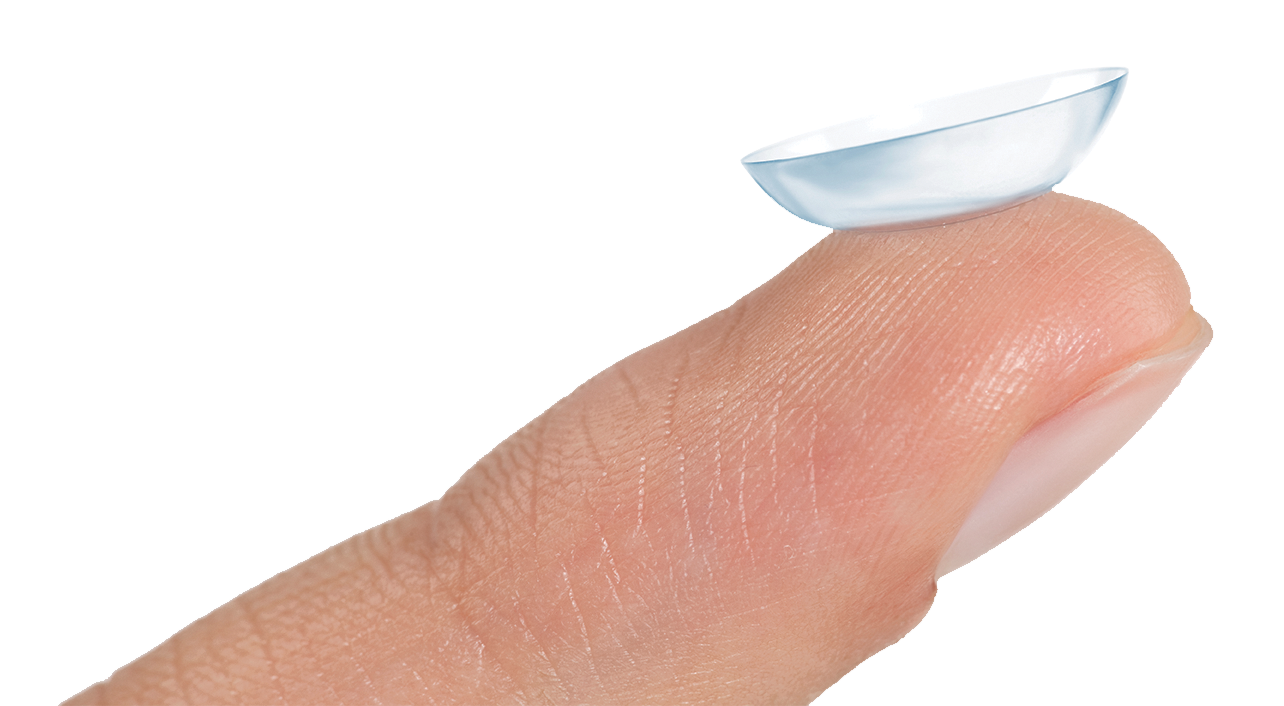
Your eyes are biological tissue that needs oxygen to stay healthy. For the more than 140 million contact lens wearers worldwide (SNS Insider, 2025), choosing a monthly lens with the right oxygen permeability can mean the difference between all-day comfort and that familiar 5 PM fatigue where your eyes feel like sandpaper.
If you wear contacts five to seven days per week for 10 or more hours daily, you’re a full-time wearer, and your lens choice matters more than most marketing suggests. Silicone hydrogel materials now comprise over 55% of soft lenses sold, offering five to six times more oxygen permeability than traditional hydrogels (SNS Insider, 2025). That shift happened because eye care professionals recognized that full-time wearers need lenses that let their corneas breathe.
Here’s what this guide delivers: a practical breakdown of the best monthly contact lenses for different needs, including dry-eye relief, extended-wear capability, digital-screen use, and everyday comfort. We’ll cover specific oxygen transmission values, annual cost calculations, the “30 days versus 30 wears” question that confuses most shoppers, and honest guidance for specialty conditions where standard monthly lenses aren’t the right answer.
Monthly lenses can save full-time wearers 50 to 70 percent annually compared to dailies. But the right brand selection is critical for both comfort and eye health.
Why Monthly Lenses Make Sense for Full-Time Wearers
The Cost Advantage
Monthly lens wearers purchase approximately 12 pairs annually compared to 365 or more for daily disposable users. That math alone tells you where the savings come from.
Here’s a concrete annual cost comparison. A typical monthly lens costs $25 to $45 per six-pack, which covers six months of wear. That means your annual cost is approximately $50 to $90 per eye, or $100 to $180 total for both eyes.
Daily lenses, by contrast, cost $30 to $50 per 30-pack. You need at least 12 boxes per eye annually, putting your yearly spend at $360 to $600 or more, depending on the brand and the complexity of your prescription.
The approximate annual savings for monthly wearers range from $200 to $400 compared to daily disposable users. Exact pricing varies by brand, prescription type (toric and multifocal cost more), and retailer, but the pattern holds consistently.
The trade-off is maintenance. Monthly lenses require a daily cleaning routine with a multipurpose solution or a hydrogen peroxide system. Dailies offer zero maintenance since you toss them at the end of each day. For full-time wearers who don’t mind a 60-second nightly routine, the savings make monthly lenses the practical choice.
Most competitor content skips this specific cost breakdown. We think you deserve the real numbers before deciding.
The Environmental Factor
Sustainability rarely tops the list of considerations for contact lens shoppers, but it’s worth mentioning. Monthly wearers dispose of 12 pairs of lenses plus 12 blister packs annually. Daily wearers dispose of 730 or more individual items per year.
Solution bottles and lens cases contribute to the monthly waste category, but the overall environmental footprint is meaningfully lower. If sustainability influences your purchasing decisions, monthly lenses align better with that value.
That said, comfort and eye health should drive your primary decision. Environmental benefit is a secondary perk, not a reason to choose an uncomfortable lens.
What Makes a Monthly Lens “Full-Time Wearer Ready”
Oxygen Permeability: The Number That Matters Most
Dk/t (oxygen transmissibility) measures how much oxygen passes through a contact lens to reach your cornea. Higher Dk/t means more oxygen, which means healthier corneas during long wear days.
Silicone hydrogel lenses offer Dk/t values ranging from 100 to 175. Traditional hydrogel lenses score between 20 and 40. That five- to six-fold difference explains why silicone hydrogel has become the dominant material for full-time wearers.
Why does oxygen transmission matter so much? Your cornea doesn’t have blood vessels. It gets oxygen directly from the air, and when you cover it with a contact lens, you restrict that supply. Low oxygen transmission causes hypoxia, which leads to corneal swelling, redness, discomfort, and long-term complications.
The FDA requires a Dk/t of 87 or higher for lenses approved for extended (overnight) wear. But even daily-wear-only lenses benefit from high oxygen transmission, especially for full-time wearers logging 10 to 14 hours per day.
When comparing monthly lenses, look for Dk/t values of 140 or higher for optimal comfort during long wear days.
Moisture Technology
Oxygen transmission isn’t everything. Moisture retention prevents that end-of-day dryness that makes you want to rip your lenses out by 6 PM.
Different manufacturers approach moisture differently:
- CooperVision’s Aquaform technology naturally retains water within the lens material without surface coatings that can wear off
- Alcon’s HydraGlyde moisture matrix attracts and holds moisture on the lens surface
- Johnson & Johnson’s HydraMax technology maintains hydration throughout the wear cycle
Moisture technology matters especially for screen-heavy work environments. Patients wearing well-designed moisture-retaining lenses reported significantly fewer dryness symptoms during clinical studies (Eye & Contact Lens Journal, cited by Market Data Forecast, 2025).
If you spend eight or more hours daily staring at screens, prioritize lenses with proven moisture technology alongside high oxygen transmission.
Key Specs to Check Before Buying:
> – Dk/t value (aim for 140+)
> – Water content percentage
> – Base curve options for your prescription
> – Replacement schedule clarity (30 days, not 30 wears)
Best Monthly Contact Lenses by Category
Best Overall: Biofinity (CooperVision)
Biofinity consistently ranks as the top monthly lens choice across user reviews, eye care professional recommendations, and Reddit discussions for good reason.
CooperVision’s Aquaform Technology naturally retains water within the silicone hydrogel material itself. Unlike surface coatings that can wear off over the month, Aquaform integrates moisture retention into the lens structure. Your comfort on day 28 stays closer to day one.
The Dk/t of 160 places Biofinity among the highest-oxygen-transmission lenses in the monthly category. Your corneas breathe easily even during 14-hour wear days.
Biofinity is available in sphere, toric (for astigmatism), and multifocal versions, making it accessible regardless of prescription complexity. The lens is also FDA-approved for up to six nights of extended wear, though daily removal remains healthier for most wearers.
Reddit sentiment on Biofinity is consistently positive. Users frequently describe it as “the most comfortable monthly lens I’ve tried” and praise the value compared to premium daily alternatives. That real-world validation matters more than marketing claims.
Most competitor content mentions Biofinity without explaining why Aquaform technology makes a practical difference. The answer: integrated moisture retention that doesn’t degrade over the wear cycle.
Best for Dry Eyes: Alcon TOTAL30
If end-of-day dryness has been your primary complaint with previous monthly lenses, TOTAL30 deserves serious consideration.
Alcon’s Cellient technology creates a lens surface that mimics the mucin layer of your actual cornea. That biomimetic approach helps the lens interact with your tear film more naturally than traditional surfaces.
The water-gradient design is the standout feature. The lens surface approaches nearly 100% water content at the point of contact with your eye, while the lens core maintains structural integrity. This design keeps the lens feeling moist against your cornea throughout the day.
With a Dk/t of 156, TOTAL30 delivers excellent oxygen transmission alongside its moisture-focused design. Dr. James Dello Russo at Vision Center recommends TOTAL30 specifically for its Cellient technology benefits.
TOTAL30 works well for wearers who’ve experienced dryness with other monthly lenses but want to stay in the monthly replacement category. However, if your dryness is severe, such as in Sjögren’s syndrome, see our specialty conditions section below for more appropriate options.
Best for Digital Screen Users: Biofinity Energys
Full-time wearers who spend eight or more hours daily on computers and devices face specific challenges. Biofinity Energys addresses those challenges directly.
The DigitalBoost Technology optimizes the lens design to reduce eye fatigue from prolonged screen use. The lens helps your eyes shift more easily between digital devices at arm’s length and at a distance, reducing the strain that can cause headaches and tired eyes.
Biofinity Energys uses the same Aquaform base as standard Biofinity, maintaining the Dk/t of 160 and excellent moisture retention. Digital optimization delivers targeted relief without sacrificing the core performance that makes Biofinity the top overall choice.
Few competitor articles address digital eye strain solutions in monthly lens content. If screens dominate your workday, Biofinity Energys offers meaningful relief that generic monthly lenses don’t.
Best for Extended/Overnight Wear: Air Optix Night & Day Aqua
Some wearers need the flexibility to sleep in their lenses occasionally or continuously. Air Optix Night & Day Aqua is FDA-approved for up to 30 nights of continuous wear, the maximum approval in the monthly category.
The Dk/t of 175 is the highest among monthly lenses. That extreme breathability makes extended wear safer by helping maintain corneal health, even without daily removal.
Alcon’s SmartShield coating resists deposit buildup during extended wear periods, keeping the lens surface cleaner longer than uncoated alternatives.
Important caveat: Continuous wear increases the risk of infection compared to daily removal. Most eye care professionals recommend removing lenses nightly even with approved extended-wear lenses. Air Optix Night & Day works best for specific situations: shift workers, frequent travelers, or those with lifestyle reasons for occasional overnight wear.
Extended wear should be discussed with your eye care professional before attempting. The convenience doesn’t eliminate the increased risk.
Best Value Option: Air Optix plus HydraGlyde
For wearers seeking solid performance without premium pricing, Air Optix plus HydraGlyde delivers reliable comfort at a competitive price point.
The HydraGlyde moisture matrix provides consistent comfort without the advanced technology (and corresponding cost) of lenses like TOTAL30. The Dk/t of 138 offers solid oxygen transmission, slightly lower than premium options but still well above the threshold for healthy full-time wear.
SmartShield technology resists deposit buildup, helping maintain comfort throughout the monthly wear cycle.
Air Optix Plus HydraGlyde is widely available and frequently priced competitively across retailers. It serves as an excellent entry point for those new to monthly lenses or those switching from dailies who want to test the category before investing in premium options.
Monthly Contact Lens Comparison
| Brand | Dk/t | Key Technology | Extended Wear Approved | Best For |
| Biofinity | 160 | Aquaform | 6 nights | Overall comfort |
| Total30 | 156 | Cellient/Water Gradient | No | Dry eyes |
| Biofinity Energys | 160 | DigitalBoost | 6 nights | Screen users |
| Air Optix Night & Day | 175 | SmartShield | 30 nights | Overnight wear |
| Air Optix HydraGlyde | 138 | HydraGlyde | 6 nights | Value seekers |
| Acuvue Vita | 147 | HydraMax | No | All-month comfort |
Monthly Lenses That You Can Sleep In: What You Need to Know
“Extended wear” and “continuous wear” have specific FDA definitions, and not every monthly lens qualifies.
FDA-approved overnight wear options:
- Air Optix Night & Day Aqua: 30 nights continuous wear
- Biofinity: 6 nights extended wear
- Air Optix Plus HydraGlyde: 6 nights extended wear
- PureVision 2: 30 nights continuous wear
Even with FDA approval, sleeping in contacts increases the risk of infection by a factor of 6 to 8 compared to daily removal. The approval means the lens can safely deliver enough oxygen during sleep, not that overnight wear carries no risk.
When does overnight wear make practical sense? Occasional travel where lens care isn’t convenient, shift work with unpredictable schedules, or specific lifestyle situations where daily removal isn’t realistic. Overnight wear shouldn’t become your daily default.
If you want extended wear capability, discuss it with your eye care professional first. They can evaluate your eye health, tear quality, and lifestyle to determine whether extended wear is appropriate for your situation.
“30 Days or 30 Wears?” The Replacement Schedule Explained
This question appears constantly in search results and forum discussions, yet most content avoids giving a direct answer.
Here’s the answer: monthly lenses should be replaced 30 days after opening, regardless of how many times you actually wear them.
Protein deposits, lipid buildup, and microbial contamination accumulate based on time exposed to air and solution, not just active wear time. Once you crack open that blister pack, the countdown begins.
Example: If you open a lens on January 1st but only wear it 15 times that month due to glasses days or travel, you still replace it by January 31st. Wearing it into February because you “haven’t gotten your money’s worth” invites discomfort and increases the risk of infection.
The exception: if your eye care professional has prescribed a specific replacement schedule based on your eye health or lens type, follow their guidance. But for standard monthly lenses, the 30-day rule applies universally.
> Simple Rule: Write the opening date on your lens case or set a calendar reminder. Replace at 30 days, no exceptions.
What About Coloured Monthly Lenses?
Coloured contact lenses are available in monthly options from brands like Air Optix Colors, which offers a range of natural-looking enhancement tints and more dramatic colour changes.
Colored monthly lenses follow the same replacement rules as clear lenses: 30 days from opening, daily cleaning, and disposal, even if you didn’t wear them every day.
Important: Coloured contacts are still medical devices requiring a valid prescription, even for plano (non-corrective) tints that don’t correct vision. The lens sits on your cornea regardless of whether it corrects your vision, which means improper fit or materials can cause the same problems as ill-fitting prescription lenses.
Be cautious about non-FDA-approved cosmetic lenses sold through costume shops or unregulated online sellers. Those products skip the safety testing that protects your eyes. Stick with brand-name coloured lenses from authorized retailers. For guidance on selecting the right coloured contacts safely, check out our guide on how to choose coloured contact lenses online.
When Monthly Lenses Aren’t the Right Choice: Specialty Conditions
Sjögren’s Syndrome and Severe Dry Eye
Standard monthly soft lenses are not ideal for Sjögren’s syndrome or severe dry eye conditions.
Most competitor content gives generic recommendations without acknowledging this limitation. We think honesty serves you better.
Scleral lenses are the gold standard for severe dry eye conditions. These larger rigid lenses vault over the cornea entirely, creating a fluid reservoir between the lens and your eye. That fluid reservoir keeps the cornea constantly hydrated, providing relief that no soft lens can match.
If you have Sjögren’s syndrome or severe dry eye, consult a specialty contact lens fitter rather than selecting from standard monthly options. Daily disposables may also be preferable to monthly for moderate dry eye, since a fresh lens each day means fewer deposits that irritate your already sensitive eyes.
For those with milder dryness, our guide to the best daily contacts for dry eyes covers options to consider.
Keratoconus
Standard soft monthly lenses do not effectively correct keratoconus.
Keratoconus causes the cornea to thin and bulge into a cone shape, creating irregular astigmatism that soft lenses can’t address. A soft lens simply drapes over the cone without masking the distortion.
Effective keratoconus correction requires rigid gas permeable (RGP) lenses, hybrid lenses, or scleral lenses that can mask the irregular corneal shape with a smooth optical surface.
If you have keratoconus, seek a specialty fitting with a keratoconus-experienced practitioner. Standard monthly lens recommendations don’t apply to your situation.
Glaucoma Patients
Glaucoma patients can wear standard monthly contact lenses. This condition doesn’t disqualify you from wearing soft lenses.
The key consideration involves your medication. IOP-lowering eye drops need time to take effect before you insert your lenses. Wait at least 15 minutes after applying medication before putting in your contacts.
If you use drops multiple times daily, daily disposable lenses may be more practical than monthlies since you’re removing and reinserting lenses frequently anyway.
Interestingly, the development of smart contact lenses now includes IOP monitoring capabilities. The smart contact lens market is expected to reach USD 1.6 billion by 2026 (Biomedical Microdevices, 2025), with innovations that could eventually allow continuous glaucoma monitoring through your lenses. That technology isn’t mainstream yet, but it signals interesting possibilities for glaucoma patients in the coming years.
For more on managing eye conditions, our glaucoma overview provides additional context.
How to Choose: Your Monthly Lens Decision Framework
Use this checklist to identify your best monthly lens option before discussing specifics with your eye care professional.
Monthly Lens Selection Checklist
Step 1: Assess your wear pattern
- [ ] I wear lenses 5-7 days per week → monthly lenses are cost-effective
- [ ] I wear lenses 2-3 days per week → dailies may be more practical
- [ ] I need overnight wear occasionally → look for extended-wear approved options
Step 2: Identify your primary concern
- [ ] End-of-day dryness → prioritize TOTAL30 or Biofinity
- [ ] Screen fatigue → consider Biofinity Energys
- [ ] Budget-conscious → Air Optix HydraGlyde offers good value
- [ ] Need overnight capability → Air Optix Night & Day
Step 3: Check your prescription needs
- [ ] Standard sphere correction → all options available
- [ ] Astigmatism (toric) → verify toric availability in chosen brand
- [ ] Multifocal/presbyopia → check brand offers multifocal option
Step 4: Confirm with your eye care professional
- [ ] Valid prescription for monthly lens type
- [ ] Base curve and diameter confirmed
- [ ] Specific brand approved by your provider
Understanding the full range of options helps you have a more productive conversation with your eye care professional. Our comparison of daily vs monthly contacts provides additional context if you’re still deciding between replacement schedules.
Common Pitfalls: Mistakes Monthly Lens Wearers Make
Stretching the Replacement Schedule
Wearing lenses for more than 30 days to “save money” can increase the risk of eye infections and reduce comfort. Deposits accumulate regardless of cleaning quality. Multipurpose solutions can’t restore a lens to day-one condition.
The false economy calculation: one eye infection costs more in medical bills, discomfort, and time than a full year of properly replaced lenses. Replace at 30 days without exception.
Sleeping in Non-Approved Lenses
Not all monthly lenses are approved for any overnight wear. Sleeping in non-approved lenses dramatically increases the risk of infection.
If you occasionally fall asleep, lenses with higher Dk/t (160 or above) handle it better than lower-oxygen options. But still remove them as soon as possible after waking and give your eyes a break.
Using Water Instead of Solution
Never rinse or store lenses in tap water, not even briefly. Acanthamoeba keratitis is a rare but devastating infection caused by organisms found in tap water. The infection can cause permanent vision damage.
Always use a fresh multipurpose solution or a hydrogen peroxide system. Never top off an old solution with a new solution. Pour a fresh solution each time.
Ignoring Discomfort
Persistent redness, pain, or sudden vision changes require immediate lens removal. Don’t “push through” discomfort because you’re in the middle of a workday. Your cornea may be signaling a serious problem.
See your eye care professional if symptoms persist after removing lenses. Early intervention prevents minor issues from becoming major complications.
Assuming All Brands Are Interchangeable
Each monthly lens has a different base curve, diameter, and material properties. Switching brands without a professional refitting can cause discomfort, poor vision, or fit problems.
Your prescription specifies a particular lens for a reason. If you want to try a different brand, ask your eye care professional for a new fitting rather than ordering a different lens with the same power numbers.
For first-time lens wearers navigating these decisions, our complete guide on how to get contacts walks through the entire process.
Key Takeaways
- Oxygen permeability (Dk/t) matters most for full-time wearers. Look for values of 140 or higher to help keep your corneas healthy during long-wear days.
- The 30-day replacement rule is non-negotiable. Replace monthly lenses 30 days after opening, regardless of actual wear count.
- Biofinity offers the best overall combination of oxygen transmission, moisture retention, and value for most full-time wearers.
- TOTAL30’s water gradient technology specifically addresses end-of-day dryness for wearers who’ve struggled with other monthly lenses.
- Monthly lenses aren’t right for everyone. Specialty conditions like keratoconus, Sjögren’s syndrome, and severe dry eye require different solutions.
Next Steps
Confirm your prescription is current. Monthly lens prescriptions specify brand, base curve, diameter, and power. If your prescription is more than a year old, schedule an exam before ordering.
Discuss brand options with your eye care professional. Bring this guide to your appointment if it helps. Ask about Dk/t values, moisture technology, and extended wear approval for the lenses they recommend.
Calculate your annual cost. Multiply your per-box cost by the number of boxes you need annually. Compare that to daily alternatives to confirm monthly lenses make financial sense for your wear pattern.
Order from a trusted retailer. Once you have your prescription and brand selection confirmed, shop where you get the best combination of price, authenticity, and service.
Ready to find your best monthly lens? Browse our full selection of monthly contact lenses at Contacts For Less, featuring Biofinity, TOTAL30, Air Optix, ACUVUE VITA, and more from trusted manufacturers. As a 100% Canadian family-owned company, we donate a portion of every sale to the charity you choose, so your contacts do more than correct your vision.
Your eyes deserve lenses that let them breathe. Start there, and everything else follows.
We will never sell your information to anyone.